Branding Is Why and Marketing Is How

Here is a quick article that talks about what the terms “branding” and “marketing” mean. These terms are often used interchangeably, they represent different facets of a company’s strategy. Branding is the “why” behind your business, whereas marketing is the “how” you communicate that purpose to your audience. Check out this post to find out more about these terms: “branding” and “marketing”, and find out why both are important for building a strong, sustainable business.

Branding is Why.  Marketing is How.

What Is Branding?

Branding is the essence of your business. It encapsulates your company’s mission, vision, values, and unique identity. Essentially, branding answers the question: Why does your business exist? It’s about creating a lasting impression that resonates with your audience on an emotional level. Your brand is not just a logo or a tagline; it’s the total of how your audience perceives your company.

The Components of Branding

  1. Mission Statement: Defines the core purpose of your business and why it exists.
  2. Vision Statement: Describes what your business aspires to achieve in the future.
  3. Core Values: The principles and beliefs that guide your business decisions and actions.
  4. Brand Personality: The human characteristics associated with your brand.
  5. Brand Promise: The commitment you make to your customers.

A great example of effective branding is Apple Inc. Apple’s brand is synonymous with innovation, quality, and sleek design. Apple Inc.’s mission is to “bring the best user experience to customers through innovative hardware, software, and services” which is reflected in every product they release. Apple’s branding creates a sense of loyalty and emotional connection with its customers, who believe in the company’s vision and values.

What Is Marketing?

Marketing is the method by which you convey your brand’s message to your audience. It encompasses the strategies and tactics used to promote your products or services and attract customers. Marketing answers the question: How will you reach and engage your target audience?

The Components of Marketing

  1. Market Research: Understanding your target audience and their needs.
  2. Content Creation: Developing engaging and relevant content to attract potential customers.
  3. Advertising: Using various channels (digital, print, social media) to promote your brand.
  4. Sales Strategy: Techniques used to convert leads into customers.
  5. Customer Engagement: Building relationships and fostering loyalty through ongoing communication and support.

An excellent example of effective marketing is Nike‘s “Just Do It” campaign. This iconic campaign has been running for over three decades, inspiring millions of people worldwide to push their limits and achieve their goals. Nike’s marketing strategy includes powerful storytelling, influencer partnerships, and engaging social media content, all of which communicate the brand’s promise and inspire action.

The Symbiotic Relationship Between Branding and Marketing

Branding and marketing serve different purposes and work together. A strong brand provides the foundation for effective marketing, and successful marketing reinforces the brand. Let’s explore how these two elements work together:

Branding Establishes Trust and Credibility

A well-defined brand creates trust and credibility with your audience. When customers understand your mission, values, and what you stand for, they are more likely to choose your products or services over competitors. This trust is built over time and becomes the bedrock of your marketing efforts.

Marketing Amplifies Your Brand Message

Marketing takes the essence of your brand and amplifies it to reach a wider audience. Through targeted campaigns, engaging content, and strategic promotions, marketing ensures that your brand’s message is heard loud and clear. It drives awareness, generates leads, and ultimately, boosts sales.

Consistency Is Key

Consistency across branding and marketing is essential for building a cohesive brand image. Every marketing campaign, social media post, and customer interaction should reflect your brand’s identity. This consistency helps reinforce your brand’s message and makes it easily recognizable to your audience.

Case Study: Starbucks

Starbucks is a prime example of a company that has successfully integrated branding and marketing to build a global powerhouse.

Branding

Starbucks’ brand is built around creating a “third place” between home and work where customers can relax, enjoy a cup of coffee, and connect with others. The company’s mission is “to inspire and nurture the human spirit – one person, one cup, and one neighborhood at a time.” This mission is reflected in everything from the store design to the quality of the coffee.

Marketing

Starbucks’ marketing strategies are diverse and innovative. They use a mix of traditional advertising, social media engagement, and loyalty programs to reach and engage their audience. Campaigns like the annual Red Cup promotion and the introduction of seasonal drinks create excitement and anticipation among customers. Their marketing efforts consistently reinforce the brand’s values of community, quality, and connection.

Conclusion

Understanding that branding is the “why” and marketing is the “how” can transform the way you approach your business strategy. A strong brand foundation allows you to create marketing campaigns that resonate with your audience and drive long-term success. Remember, branding builds trust and credibility, while marketing amplifies your message and drives engagement. Together, they form the cornerstone of a thriving business.

Invest time in defining your brand’s mission, vision, and values. Then, craft marketing strategies that communicate this essence to your audience effectively. By aligning your branding and marketing efforts, you’ll create a powerful, cohesive brand that stands out in the marketplace.

Top Strategies for General Contractor Branding

General contractor branding can help make a general contracting business stand out against the competition. You can create a brand for residential renovations, commercial construction, or industrial projects, by implementing targeted branding techniques. Here are some key strategies for branding within the general contracting industry.

Dan Hebert Inc. Colebrook, NH Web Design

Identify Your Niche

Every successful brand begins with a clear understanding of its niche market. For general contractors, this might entail specializing in a particular type of construction. For example, luxury home remodeling, sustainable building practices, or historic restoration. By honing in on your niche, you can tailor your branding efforts to resonate with your target audience. This can also differentiate your general contract business from competitors.

Example: A general contractor focusing on eco-friendly building practices could brand themselves as “GreenBuild Contractors,” emphasizing their commitment to sustainable construction methods and energy-efficient solutions.

Craft a Compelling Brand Story

Behind every successful general contracting business lies a captivating narrative that speaks to its origins, values, and aspirations. Your brand story should highlight what sets you apart from other contractors and establish an emotional connection with your audience. Be sure to infuse your brand story with authenticity and passion.

Example: “From Humble Beginnings: How Smith & Sons Construction Became the Go-To Choice for Custom Home Builds” – This brand story could detail the company’s roots, evolution, and dedication to craftsmanship, resonating with clients seeking personalized, high-quality construction services.

Visual Identity Matters

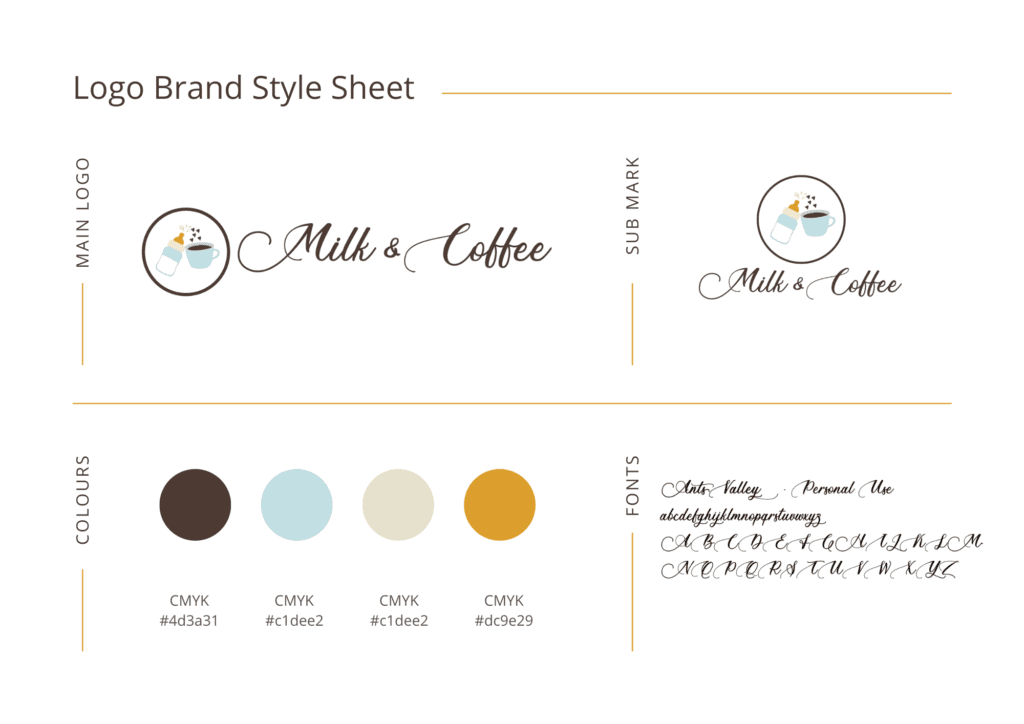
In a visually-driven industry like construction, a strong visual identity is crucial for making a memorable impression on potential clients. Your logo, color palette, and overall design aesthetic should reflect the essence of your brand. A strong brand can evoke trust and professionalism. Consider incorporating construction-related imagery, such as tools, blueprints, or buildings, into your branding materials.

Example: “Brick & Hammer Construction” – This hypothetical general contractor might opt for a logo featuring a stylized hammer and brick motif, coupled with a bold color scheme evoking strength and stability.

Deliver Exceptional Customer Experience

Exceptional customer service can set you apart in a crowded marketplace and foster long-lasting relationships with clients. From the initial consultation to project completion, prioritize clear communication, transparency, and reliability. By consistently exceeding expectations and delivering exceptional results. This is how you can turn satisfied clients into brand advocates who recommend your services to others. Example: A general contractor who consistently communicates project updates, addresses client concerns promptly, and delivers projects on time and within budget builds a reputation for reliability and professionalism, enhancing their brand image.

Embrace Digital Marketing Channels

Establishing a strong online presence is essential for reaching and engaging with potential clients. Create a professional website that showcases your portfolio, services, and client testimonials, optimizing it for search engines to improve visibility. Leverage social media platforms like Instagram, Facebook, and LinkedIn. On social media, you can share project updates, showcase your expertise, and interact with your audience.

Example: A general contractor could use Instagram to showcase before-and-after photos of completed projects, share construction tips and insights through Instagram Stories, and engage with followers by responding to comments and messages promptly.

Highlight Your Expertise and Specializations

Whether you specialize in custom home builds, commercial renovations, or industrial construction, make sure to highlight your expertise and specializations in your branding efforts. Position yourself as an industry leader by sharing valuable content. This content may include blog posts, case studies, or whitepapers, that demonstrate your knowledge and proficiency in your chosen area.

Example: A general contractor specializing in historic restoration could create content discussing preservation techniques, restoration projects, and the importance of maintaining architectural heritage, positioning themselves as experts in their field.

Build Partnerships and Collaborations

Collaborating with complementary businesses and industry partners can expand your reach and credibility within the construction community. Forge relationships with architects, interior designers, real estate agents, and suppliers who can refer clients to your business and vice versa. By working together, you can tap into each other’s networks and create mutually beneficial growth opportunities.

Example: A general contractor could partner with an interior design firm to offer clients comprehensive design-build services, combining their expertise to deliver cohesive and visually stunning construction projects.

Monitor and Manage Your Reputation

Your reputation is one of your most valuable assets as a general contractor, influencing clients’ perceptions and decisions. Be sure to monitor online reviews and ratings on platforms like Google My Business, and Yelp. Also, respond promptly and professionally to both positive and negative feedback. By actively managing your reputation and addressing any concerns or issues, you can safeguard your brand’s credibility and integrity.

Example: A general contractor who consistently receives glowing reviews praising their attention to detail, craftsmanship, and professionalism can leverage this positive feedback to enhance their brand reputation and attract new clients.

Get Started with a Professional General contracting Brand

General contractor branding plays a crucial role in the success and growth. By identifying your niche, and telling a compelling brand story. Also, branding develops a strong visual identity and delivers exceptional customer experience. This is how you can differentiate yourself in the market and attract clients who value quality, reliability, and expertise. User your digital marketing channels, and highlight your expertise and specializations. This is how you can cultivate strategic partnerships to further enhance your brand’s visibility and credibility. With a well-defined branding strategy in place, your general contracting business can build a reputation as a trusted industry leader.

10 Tips for Guest Stay Branding

When it comes to guest stay branding, there are several ways you can stand out from the crowd. Your brand is more than just a logo or a catchphrase; it includes the core values of your business. Your brand is the promise you extend to your guests. Whether you’re managing a quaint bed and breakfast or Airbnb nestled in the countryside or a luxurious resort perched along the coast, the principles of effective branding remain the same. Here are 10 fundamental branding strategies that can grow your vacation stay business and create a great experience for your guests.

The Keazer Farm Bed and Breakfast, Colebrook, NH Web Design Service

Demographics

Understanding your target demographic is a good start for creating a brand that resonates with potential guests. Conducting thorough research into their preferences, demographics, and travel behaviors allows you to tailor your branding efforts to align with their needs and aspirations. Whether your guests are seeking adventure, relaxation, or a blend of both, crafting a brand that speaks directly to their desires is key to fostering a meaningful connection.

Competition

Researching your competition is the best way to identify the distinguishing features of your vacation stay. This will set your stay apart from competitors. Whether it’s your breathtaking locale, unparalleled hospitality, or commitment to sustainability, highlighting what makes your business exceptional is important for attracting and retaining guests. Your unique selling proposition forms the cornerstone of your brand identity, guiding all aspects of your marketing and guest experience initiatives.

Consistency

Maintaining uniformity in your branding elements, including colors, typography, and messaging, across all platforms is how you build brand recognition and credibility. Be consistent with your website and social media profiles. Also be consistent with promotional materials, because cohesive branding reinforces your business’s identity. This creates trust and brand experience in the minds of potential guests. Consistency breeds familiarity, making it easier for guests to recognize and engage with your brand across various touchpoints.

Visuals

Professional photography plays a pivotal role in shaping guests’ perceptions of your vacation stay. Investing in professional photography and design to showcase your property. Also, photography can be used to highlight amenities and surroundings. This can have a significant impact on potential guests. Striking visuals evoke emotion, spark curiosity, and convey the unique experiences awaiting guests at your establishment, enticing them to book their next getaway with you.

Brand Story

Sharing a brand story of the history, and unique experiences associated with your property allows guests to connect with your brand. Authentic storytelling humanizes your business, fostering emotional connections and cultivating a sense of belonging among guests. Whether it’s the tale of how your property came to be or the personal anecdotes of your team members, weaving a compelling narrative adds depth and dimension to your brand identity.

Guest Experience

In the hospitality industry, guest satisfaction is key to building a strong brand reputation and fostering loyalty. Be sure to exceed guest expectations at every touchpoint. This includes the moment they inquire about a reservation to the day they check out. Personalized greetings, thoughtful amenities, and attentive service leave a lasting impression on guests. This encourages them to return and recommend your property to others.

Engage

Active engagement with past, present, and future guests is essential for building a loyal community around your brand. Utilize social media platforms, review websites, and email newsletters to create meaningful connections and encourage dialogue. Respond promptly to inquiries, address feedback graciously, and share engaging content that showcases the unique offerings of your vacation stay. By actively engaging with your audience, you demonstrate your commitment to their satisfaction and strengthen their affinity for your brand.

Sustainability

A popular trend, environmental consciousness, can be implemented to integrate sustainable practices into your business operations. This is not only socially responsible but also a key differentiator in the market. From energy-efficient amenities to eco-friendly initiatives, communicate your commitment to environmental stewardship as part of your brand identity. Highlighting your sustainability efforts resonates with environmentally conscious travelers seeking responsible accommodation options. This can also set your vacation stay apart from competitors.

Collaborate With Locals

Reach out and create partnerships with local businesses, attractions, and artisans to enhance the guest experience. Also, this is a great way to support the surrounding community! Be sure to highlight local offerings and collaborate on exclusive packages or experiences. This adds value to your guests’ stay and also promotes local economic growth. By showcasing the unique culture and offerings of your destination, you create a more immersive and authentic experience for guests. This strengthens your brand’s connection to the local community.

Analyze

Regularly evaluating the effectiveness of your branding efforts through metrics such as guest feedback, occupancy rates, and brand recognition surveys allows you to make informed decisions and adapt your strategy as needed. Stay attuned to emerging trends in the hospitality industry and be willing to pivot your branding approach to remain relevant and resonant with your target audience. By continuously measuring, analyzing, and refining your branding strategy, you can ensure that your vacation stay remains competitive and compelling in an ever-evolving market landscape.

Effective branding is essential for success in the competitive landscape of vacation stays and accommodations. By implementing these 10 branding tips, you can cultivate a distinctive brand that resonates with guests, fosters loyalty, and sets your business apart in the hospitality industry. From knowing your audience to delivering exceptional guest experiences and embracing sustainability, each strategy plays a vital role in shaping your brand identity and ensuring long-term success. As you navigate the journey of branding your vacation stay business, remember that authenticity, consistency, and guest satisfaction are the cornerstones of a strong and enduring brand presence.

The Power of Brand Consistency

Brand consistency stands out as a beacon of trust and reliability. It’s not just about having a recognizable logo or a catchy slogan; it’s about crafting a cohesive brand experience across every touchpoint, from your website to your social media presence to your customer service interactions. In this blog post, we’ll explore why brand consistency is crucial for businesses of all sizes and industries and how you can cultivate it to foster trust and loyalty among your audience.

Smith and Pospesil Survey Company, Littleton, NH Web Design

What is Brand Consistency?

First and foremost, let’s define what brand consistency entails. At its core, it’s about ensuring that every aspect of your brand – from your visual identity to your tone of voice to your values – remains uniform and aligned across all channels and platforms. When consumers encounter your brand, whether it’s through a Google search, a Facebook ad, or a product package on the shelf, they should experience a seamless and cohesive brand identity. Here is an article about consumers searching for your business.

The Importance of Trust

One of the primary benefits of brand consistency is trust. When consumers know what to expect from your brand and consistently receive it, they develop a sense of trust and reliability. Think about it: if you walked into a Starbucks in New York City and received the same quality of service and product as you did at a Starbucks in Tokyo, you’d feel confident in the brand’s consistency and reliability, regardless of location. This trust is invaluable in building long-term relationships with customers and fostering brand loyalty.

Differentiation in a Crowded Marketplace

Moreover, brand consistency helps to differentiate your business in a crowded marketplace. With so many competitors vying for consumers’ attention, standing out from the crowd is essential. A consistent brand identity helps you carve out a unique position in consumers’ minds and establishes you as a leader in your industry. Whether it’s through your distinctive visual elements, your compelling brand story, or your unwavering commitment to quality, consistency sets you apart from the competition and makes your brand more memorable.

Fostering Familiarity

Furthermore, brand consistency breeds familiarity. When consumers repeatedly encounter your brand across various touchpoints, it becomes ingrained in their consciousness. This familiarity not only increases brand recall – the ability to remember your brand when making purchasing decisions – but also fosters a sense of comfort and affinity. Just think about the brands you’re most loyal to – chances are, they’ve earned your loyalty through consistent messaging and experiences that resonate with you on a personal level.

Cultivating Brand Consistency

So, how can businesses cultivate brand consistency? It starts with defining your brand identity and values. What do you stand for as a brand? What sets you apart from the competition? Once you’ve established your brand’s essence, ensure that it permeates every aspect of your business – from your logo and visual elements to your messaging and customer interactions.

Visual Identity Consistency

Consistency in visual identity is key. Your logo, color palette, typography, and imagery should remain consistent across all platforms and marketing materials. This ensures that consumers can easily recognize your brand, whether they’re scrolling through Instagram or browsing your website. Additionally, maintain consistent brand voice and messaging to reinforce your brand’s personality and values. Whether you’re communicating on social media, writing product descriptions, or responding to customer inquiries, your voice should remain authentic and consistent.

Consistency in Tone of Voice and Messaging

Maintaining consistency in tone of voice and messaging is crucial for reinforcing your brand’s personality and values across all communication channels. Whether you’re engaging with customers on social media, crafting marketing emails, or creating website content, consistency ensures that your brand’s voice remains authentic and recognizable. By upholding a consistent tone and message, you not only strengthen brand identity but also build trust and familiarity with your audience. This cohesion across channels fosters a cohesive brand experience, enhancing overall brand perception and driving customer engagement and loyalty. Here is an article on 10 steps to creating a marketing strategy.

Cross-Channel Consistency

Another crucial aspect of brand consistency is maintaining consistency across channels and platforms. In today’s omnichannel world, consumers interact with brands through a variety of touchpoints, from social media to email to in-store experiences. Ensuring a consistent brand experience across these channels is essential for reinforcing your brand identity and maintaining consumer trust. Whether a customer visits your website, follows you on social media, or walk into one of your stores, they should encounter a cohesive brand experience that reflects your values and resonates with them on a personal level.

Monitoring and Adaptation

Finally, monitor and adapt. The marketplace is constantly evolving, and consumer preferences are ever-changing. Regularly monitor consumer feedback, market trends, and competitor activity to ensure that your brand remains relevant and resonates with your target audience. Be willing to adapt and evolve your brand strategy as needed while staying true to your core identity and values.

Brand consistency is not just a buzzword; it’s a powerful tool for building trust, differentiation, and loyalty in today’s competitive marketplace. By maintaining a cohesive brand identity across all touchpoints and channels, businesses can establish themselves as trustworthy, reliable, and memorable brands that resonate with consumers on a deep level. So, invest in brand consistency today and reap the rewards of long-term customer loyalty and advocacy tomorrow.

Brand Tone of Voice

You may have heard of brand voice, but what about brand tone of voice? The tone of voice can be used to create consistency and build your brand into an easily recognizable business or organization. Consumers are bombarded with countless brands vying for their attention. Creating a distinct identity is crucial for standing out. One powerful tool in achieving this is establishing a consistent tone of voice. Much like a person’s demeanor, a brand’s tone of voice conveys its personality, values, and overall essence to its audience. In this blog post, we’ll delve into the significance of crafting a tone of voice, where it should be applied across various touchpoints, and how to ensure uniformity through staff training.

Defining Brand Tone of Voice

Before diving into the practical aspects, it’s essential to understand what exactly constitutes a brand’s tone of voice. Simply put, it’s the way a brand communicates its message to the world. This encompasses the style, language, and attitude employed across all communication channels, from marketing materials to customer support interactions. Here is an article on building a brand voice, different from TONE of voice.

Why Does it Matter?

  1. Brand Differentiation: A distinct tone of voice sets a brand apart from competitors. In a sea of sameness, it serves as a beacon that attracts like-minded individuals who resonate with the brand’s values and personality.
  2. Building Trust: Consistency breeds trust. When consumers encounter a brand with a cohesive voice across different platforms, they perceive it as reliable and authentic, fostering stronger connections and brand loyalty.
  3. Emotional Connection: Emotions play a significant role in consumer decision-making. A well-crafted tone of voice evokes specific feelings, forging deeper connections with the audience on an emotional level.

Applying Tone of Voice Across Touchpoints

Now that we understand its importance, let’s explore where a brand’s tone of voice should be applied:

  1. Website and Social Media: These digital platforms serve as the face of a brand in the online realm. From website copy to social media posts, maintaining a consistent tone ensures a seamless experience for visitors and followers.
  2. Advertising and Marketing Collateral: Whether it’s print ads, email campaigns, or video content, the tone of voice should align with the brand’s identity and resonate with the target audience. Here is an article on building a brand experience.
  3. Customer Support: Every interaction with customers is an opportunity to reinforce the brand’s voice. Whether it’s responding to inquiries via email, live chat, or phone, ensuring consistency in tone fosters trust and reinforces brand values. Here is an article about customers who may be looking for your business.
  4. Product Packaging and Labels: Even the physical manifestation of a brand, such as product packaging and labels, should reflect its tone of voice. Clever copywriting or playful messaging can enhance the overall brand experience.

Training Staff for Consistency

Establishing a tone of voice is only half the battle; maintaining consistency across all touchpoints requires a concerted effort. Here’s how to ensure uniformity through staff training:

  1. Clear Guidelines: Develop comprehensive guidelines outlining the brand’s tone of voice, including examples and dos and don’ts. This serves as a reference point for all team members, ensuring everyone is on the same page.
  2. Training Workshops: Conduct workshops or training sessions to familiarize staff with the brand’s tone of voice and its significance in building brand identity. Use real-life examples to illustrate how tone can impact consumer perception.
  3. Role-Playing Exercises: Engage staff in role-playing exercises to practice applying the brand’s tone of voice in various scenarios, such as customer interactions or social media responses. This hands-on approach helps reinforce learning and build confidence.
  4. Feedback and Evaluation: Regularly provide feedback and evaluate staff performance to ensure adherence to the established tone of voice. Encourage open communication and address any inconsistencies promptly to maintain brand integrity.

The Importance of Consistency

Consistency is key in branding, and the tone of voice is no exception. Here’s why it’s crucial for building a strong brand:

  1. Brand Recognition: Consistency reinforces brand recognition. When consumers encounter a consistent tone of voice across different channels, they’re more likely to recall and recognize the brand in the future.
  2. Establishing Trust: Inconsistencies in tone can confuse or alienate consumers, eroding trust in the brand. Consistency, on the other hand, fosters familiarity and reliability, strengthening trust and loyalty over time.
  3. Creating a Cohesive Identity: A cohesive tone of voice ties together all aspects of the brand, creating a unified identity that resonates with consumers. This unified front enhances brand recall and fosters a sense of community among customers.

Examples:

  1. Apple: Minimalist and aspirational, Apple’s tone reflects sophistication and innovation, seen in its concise website copy and confident product descriptions.
  2. Nike: Bold and motivational, Nike’s messaging exudes confidence and determination. Inspiring athletes worldwide through its advertising campaigns and social media presence.
  3. Ben & Jerry’s: Quirky and socially conscious, Ben & Jerry’s playful tone connects with consumers through humor and activism across product names and social media content.
  4. Virgin Atlantic: Friendly and customer-centric, Virgin Atlantic’s tone is conversational and fun, reflecting its commitment to delivering an enjoyable travel experience in website content and in-flight announcements.
  5. BuzzFeed: Casual and engaging, BuzzFeed’s tone resonates with its millennial audience through relatable and witty content across quizzes, listicles, and news articles.

In conclusion, establishing a consistent tone of voice is essential for building a strong brand identity and fostering meaningful connections with consumers. By applying this tone across various touchpoints and investing in staff training to ensure consistency, brands can differentiate themselves in the marketplace and cultivate lasting relationships with their audience. Remember, in the noisy world of branding, consistency speaks volumes.

Building Authentic Connections: The Art of Brand Building for Businesses

Brand building is not just about products or services; it’s about creating authentic connections with your audience. In this blog post, we’ll explore the strategies and key considerations that can help businesses build genuine, lasting connections with their customers.

Trend for branding in 2024 is building authentic connections.

Understanding Authentic Connections

Before diving into the strategies, let’s clearly understand what we mean by building authentic connections. Authenticity in business involves creating relationships with customers that go beyond mere transactions. It’s about building trust, understanding your audience, and genuinely caring about their needs and experiences.

Defining Your Brand Identity: The Foundation of Authenticity

The first step in building authentic connections is defining your brand identity. Clearly articulate your brand’s mission, values, and unique selling proposition. What sets your business apart? Understand who your target audience is and tailor your brand identity to resonate with their values and preferences. A well-defined brand identity forms the foundation for authentic connections.

Customer-Centric Approach: Understanding Your Audience

To build authentic connections, you must truly understand your audience. Invest time in researching and analyzing your target demographic. What are their needs, preferences, and pain points? Use surveys, social media insights, and customer feedback to gain valuable insights. A customer-centric approach allows you to tailor your products, services, and communications to better meet the needs of your audience.

Storytelling: Creating a Compelling Narrative

Humans connect through stories. Use storytelling to convey the essence of your brand. Share the journey of your business, the challenges you’ve overcome, and the values that drive you. Authentic storytelling creates an emotional connection with your audience. Consider the success of brands like TOMS, where the story of giving back is woven into the fabric of the brand, resonating deeply with customers.

Consistent Branding Across Channels: Building Trust

Consistency is key in brand building. Ensure that your brand message, visuals, and tone are consistent across all channels – from your website to social media and marketing materials. Consistency builds trust, and trust is the cornerstone of authentic connections. Customers should feel a sense of familiarity and reliability in every interaction with your brand.

Transparency and Open Communication: Honesty Matters

Authentic connections thrive on transparency. Be open about your business practices, pricing, and any challenges your business may be facing. Transparency builds trust, and customers appreciate honesty. If there are issues, address them openly and communicate how you plan to resolve them. Buffer, a social media management platform, exemplifies transparency by sharing details about the company’s finances and decision-making processes.

Personalization: Tailoring the Experience

Personalization goes beyond addressing customers by their first name. It’s about tailoring the entire customer experience. Use data and analytics to understand individual preferences and behaviors. Personalized recommendations, customized offers, and targeted communication create a more meaningful and personalized experience for each customer. Amazon’s recommendation engine is a prime example of how personalization enhances the customer journey.

Engagement on Social Media: Being Present and Responsive

Social media is a powerful tool for building authentic connections. Be present on platforms where your audience is active. Engage in conversations, respond to comments, and share user-generated content. Social media is not just a marketing channel; it’s a space for building a community around your brand. Brands like Wendy’s showcase authentic engagement with their witty responses on Twitter, creating a unique brand personality.

Community Building: Fostering a Sense of Belonging

Go beyond individual interactions and focus on community building. Create spaces where your customers can connect with your brand. This could be through forums, social media groups, or exclusive events. Airbnb, for example, has successfully built a sense of community among its hosts and guests, fostering a deeper connection with the brand.

Feedback and Continuous Improvement: Listening to Your Audience

Building authentic connections involves a two-way dialogue. Actively seek feedback from your customers and use it to improve your products and services. Demonstrate that you value their opinions and are committed to making their experience better. Brands like Starbucks encourage customer feedback and use it to make continuous improvements, showing a dedication to meeting customer expectations.

Conclusion: The Ongoing Journey of Authentic Brand Building

In conclusion, building authentic connections for your business is an ongoing journey that requires dedication and a genuine commitment to your audience. Define your brand identity, understand your customers, and tell a compelling story. Consistency, transparency, and personalization build trust, while engagement on social media and community building create spaces for authentic connections to flourish. Embrace feedback and continuously strive to improve, demonstrating that your brand is dynamic and responsive. In the realm of business, authentic connections are not just a strategy; they are the heart of sustainable success.