When building your brand, how to choose between a personal and business brand is crucial. Each serves a distinct purpose and offers different benefits, depending on your goals. As a web and graphic designer, I often guide clients through this decision, ensuring their brand identity aligns with their objectives. Whether you want to make a name for yourself or position your business for growth, choosing the right branding approach is essential.
The main difference between a personal brand and a business brand lies in their focus. A personal brand centers on an individual, highlighting their skills, values, and personality. This type of branding is ideal for professionals, influencers, or entrepreneurs who want to position themselves as experts in a specific field. Personal branding is about building your reputation and connecting directly with your audience.
A business brand, on the other hand, represents an entire company. It’s about creating a distinct identity for the business, whether it’s a small startup or a large corporation. The focus is on the company’s mission, values, and unique selling points. A business brand aims to create a strong market presence, build trust, and foster loyalty among customers. It represents the company as a whole, not just one person.
Personal Brand
A personal brand is your professional identity. It’s what you stand for, what you’re known for, and how you present yourself to others. When you create a personal brand, you’re not just promoting products or services; you’re promoting yourself. This approach is crucial for professionals who want to stand out in a competitive market. For instance, if you’re a graphic designer or consultant, your personal brand can help you differentiate yourself from others in your industry.
One of the biggest advantages of a personal brand is the opportunity to build deeper, more personal connections with your audience. People relate to people. When you showcase your personality, values, and personal story, your audience feels more connected to you. This authenticity helps establish trust, which is key to long-term relationships. Clients are more likely to choose and recommend someone they trust.
Business Brand
A business brand, by contrast, is not tied to one individual. It’s about creating an identity for the entire organization. Even if your business starts as a one-person operation, a business brand allows room for growth. As the business grows, you can hire a team, expand your services, and take on larger projects without being limited by your personal reputation.
For example, if you run a web design agency, a business brand lets you scale. It allows you to represent the agency’s overall values, mission, and quality of work, rather than just your individual skills. A strong business brand also separates your personal and professional life. This separation can be valuable if you want to maintain privacy or keep a clear line between your work and personal identity.
A business brand also works well for companies that offer a wide range of services or products. Unlike a personal brand, which is usually more specific, a business brand can represent a broader spectrum. It can grow and evolve over time, reflecting the company’s expansion and changes.
Choosing Between a Personal and Business Brand
Deciding whether to build a personal or business brand depends on your goals. It’s important to ask yourself what you want to achieve in a brand experience and how you want to position yourself or your company.
If your goal is to build a personal reputation or establish yourself as an expert in your field, a personal brand is likely the best fit. Personal branding gives you the freedom to express your unique perspective, connect directly with your audience, and showcase your skills. This approach works particularly well for individuals offering services tied closely to their expertise, such as consultants or freelancers.
Personal brands thrive on authenticity. If you enjoy sharing your personality and experiences, a personal brand allows you to connect on a more personal level. Your story becomes part of your brand, making it easier to stand out and create lasting relationships with clients.
However, if your goal is to grow your business, a business brand might be a better option. A business brand gives you the flexibility to expand beyond your individual efforts. It allows you to build a team, offer a variety of services, and scale your operations over time. A business brand also helps establish a distinct corporate identity, which is important if you plan to work with larger clients or enter more competitive markets.
A business brand also accommodates diverse offerings. If your business provides multiple services or products, a business brand can represent the full range. It also allows for future growth, even if your company’s direction changes.
Steps to Building Your Brand
Whether you choose a personal brand or a business brand, the process requires careful planning and strategy.
For a personal brand, start by defining your niche. Identify the specific area where you want to establish yourself as an expert. This will help you shape your message and focus your efforts. Next, craft a personal story that resonates with your audience. Your story should reflect your values, experiences, and what makes you unique. Finally, maintain a consistent online presence. Make sure your website, social media profiles, and other platforms reflect your brand identity.
Building a business brand involves a different approach. First, define your company’s core values and mission. These will guide your branding decisions and help you connect with your target audience. Invest in professional branding elements, such as a logo and website. These assets should reflect your business’s personality and values. Lastly, develop an integrated marketing strategy. Consistency is key, so make sure your messaging is aligned across all channels.
Key Considerations Before You Commit
Before you commit to building either a personal or business brand, take some time to evaluate your goals. Ask yourself whether you’re comfortable being the face of your brand. Personal branding requires a high level of visibility, and you need to be prepared to be in the spotlight. If that doesn’t appeal to you, a business brand might be a better fit.
Also, consider whether your skills and expertise are central to your business. If your personal knowledge and experience are your primary offerings, a personal brand aligns well with your goals. However, if you’re looking to build a company that can grow beyond your individual efforts, a business brand provides more flexibility.
Think about the long-term growth of your business. If you plan to expand, hire a team, or offer a variety of services, a business brand can accommodate these changes. A personal brand, on the other hand, might feel more limiting if your business evolves over time.
Conclusion
Choosing between a personal brand and a business brand is an important decision. Each path offers distinct advantages, but the right choice depends on your goals, expertise, and vision for the future. A personal brand allows you to build deeper connections and showcase your unique skills, while a business brand offers scalability and the opportunity to create a broader identity.
By considering your long-term objectives and evaluating the type of brand that aligns with your aspirations, you can make an informed decision. The right brand will not only reflect your values but also set you up for long-term success.
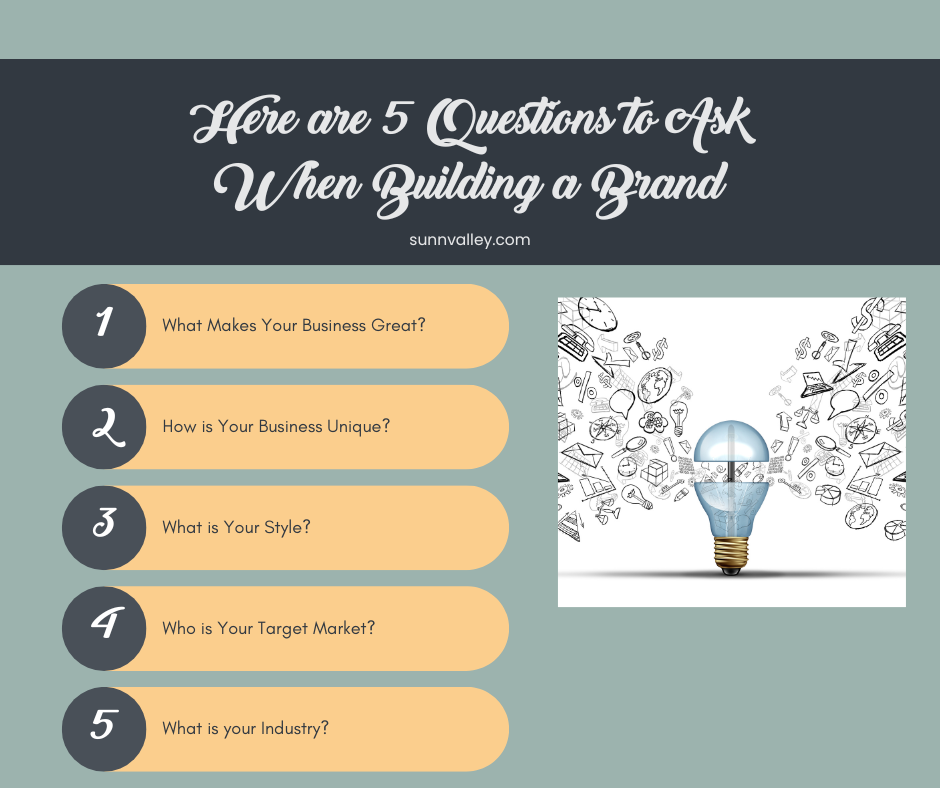
Building a brand that not only stands out but also leaves a lasting impact is critical. Your brand is much more than a logo or a slogan. It encompasses the very essence of your business, the promise you make to your customers, and the emotional connection you build with them. One important aspect involves reflecting on the key questions to ask when building a brand. Whether you’re a new business or looking to redefine your identity, the process of branding is a journey that requires reflection and clarity.
Here are five critical questions to ask yourself as you build your brand. By carefully considering and answering these questions, you will lay the foundation for a clear and compelling brand statement, which will serve as a roadmap for all your marketing efforts.
1. What Makes Your Business Great?
At the heart of every successful brand is a deep understanding of what makes the business stand out. Ask yourself: What unique qualities make your business brand great? Identifying your business’s strengths and unique offerings is the first step in building a brand that resonates with your audience.
For instance, does your pizzeria craft culinary delights that tantalize taste buds with secret family recipes? Do you source your ingredients locally, ensuring a farm-to-table experience? Maybe you offer exceptional customer service, going the extra mile to ensure satisfaction. Or perhaps your product’s durability, eco-friendliness, or innovative design sets you apart.
Whatever it is, these unique selling points (USPs) define the core of your brand’s value. By focusing on what makes your business great, you create a clear message that tells customers why they should choose you over the competition. Articulating these strengths not only builds customer trust but also establishes a strong foundation for future growth.
Takeaway: A strong brand starts with a deep understanding of what makes your business special. Your unique strengths become the cornerstone of your brand’s identity and message.
2. How Is Your Business Unique?
In a crowded marketplace, it’s not enough to be good—you also have to be different. What sets you apart from the competition? To build a brand that stands out, you need to define your competitive edge.
Maybe you offer a product or service that no one else in your area does. For example, if you’re the only yoga studio in town that offers aerial yoga, that’s a clear differentiator. Or perhaps your business has a rich history—maybe it’s been family-owned for three generations, giving you a level of expertise and reliability that newer businesses can’t offer. On the other hand, you might be a cutting-edge start-up that brings innovative solutions to longstanding problems in your industry.
Whatever your unique factor, embracing it and weaving it into your brand’s narrative helps potential customers understand why you are the best choice for them. Highlighting your business’s individuality not only enhances brand loyalty but also gives you a competitive advantage.
Takeaway: Define the aspects of your business that make you stand out, and ensure those qualities are reflected in your branding efforts.
3. What Is Your Style?
Visual identity is a powerful element of branding. In many cases, your brand’s style—its visual appearance and design language—speaks volumes before a single word is spoken. The fonts, colors, images, and layouts you choose all contribute to the message your brand sends to the world. Your brand’s style must align with its values and appeals to your target audience.
Does your brand evoke sophistication through clean, minimalist designs? Or is your brand vibrant, bold, and playful, catering to a more energetic and creative audience? Perhaps your brand’s visuals are rustic and natural, reflecting a commitment to organic products or sustainability.
Each choice you make, from logo design to website layout, communicates something to your customers. It’s vital to consider how these choices align with the story you’re telling and the customers you want to attract. A luxury brand will look very different from a budget-friendly one. Your style should reflect the values and personality of your business, making an instant impression on your audience.
Takeaway: Visual design is an important extension of your brand. Ensure your visual elements are thoughtfully chosen to reflect your brand’s personality and appeal to your target market.
4. What Is Your Industry?
Your brand doesn’t exist in a vacuum. It operates within a broader industry, and understanding the expectations, challenges, and trends within that industry is key to shaping your brand identity. This question forces you to zoom out and consider how your brand fits into the larger landscape.
Are you in the healthcare industry, where trust and professionalism are paramount? Or perhaps your business focuses on technology, where innovation and forward-thinking are crucial. Each industry has its own set of norms, standards, and consumer expectations, and your brand should be shaped accordingly.
For example, a brand in the healthcare field might emphasize professionalism, reliability, and compassion, while a tech start-up might focus on innovation, cutting-edge solutions, and speed. Knowing the needs and values of your industry helps you position your brand in a way that aligns with customer expectations while also carving out your own niche.
Takeaway: Understanding your industry is essential in building a brand that resonates with your audience and meets their expectations.
5. Who Is Your Target Market?
A key component of building a successful brand is knowing who you’re trying to reach. Who is your target market? It’s not enough to say “everyone”—a more defined target audience allows for more precise and effective branding.
Are you speaking to young professionals looking for convenience and affordability, or families searching for quality and durability? Maybe your ideal customer is a high-end buyer who values luxury and exclusivity, or perhaps it’s eco-conscious individuals who prioritize sustainability and ethical production.
Understanding your target audience allows you to create a brand that speaks directly to their desires, needs, and values. This helps build an emotional connection and fosters brand loyalty. By identifying your target market, you ensure that your messaging, visual design, and overall brand experience are tailored to the right people.
Takeaway: Clearly defining your target market allows you to create a focused and effective brand strategy that resonates with the people who are most likely to become loyal customers.
Crafting Your Brand Statement
By answering these five fundamental questions, you’ll have the building blocks to create a strong brand statement. A brand statement is more than just a description of your business—it’s a concise, powerful message that communicates the essence of who you are, what you do, and why customers should choose you.
Your brand statement should encapsulate:
What makes your business great?
What sets you apart from competitors?
What is your unique style and aesthetic?
What is you industry and how do you fit into it?
Who is your target market and the value you bring to them.
A brand checklist will guide all your branding efforts moving forward, ensuring consistency across your marketing materials, website, social media, and beyond.
Enter SunnValley: Your Partner in Brand Strategy and Design
Building a brand is a complex and multifaceted process, but you don’t have to do it alone. SunnValley is here to guide you through the journey. As experts in brand strategy and design, we help businesses like yours define their brand identity, create compelling visuals, and craft messages that resonate with their target audience.
Elevating Your Brand Strategy with SunnValley
At SunnValley, we believe that a successful brand is built on authenticity and strategy. We take the time to understand your business from the inside out, helping you uncover what makes you exceptional. By fusing our strategic insights with your unique strengths, we help you build a brand that not only stands out but also resonates deeply with your audience.
Designing Your Brand’s Visual Identity
Once the strategy is in place, our design team works to bring your brand to life visually. From logo design to website development, we ensure that every visual element aligns with your brand’s personality and values. Whether you’re drawn to sleek minimalism, bold and colorful aesthetics, or something entirely unique, SunnValley’s design experts will create a cohesive visual identity that captivates your audience and sets your business apart.
Conclusion
Building a brand is a journey that requires thought, creativity, and strategic insight. By asking and answering these five essential questions, you’re well on your way to crafting a brand that truly reflects your business’s strengths and resonates with your target audience. And with SunnValley by your side, you can ensure that your brand not only stands out but leaves a lasting impression in the hearts and minds of your customers. Embrace the journey, define your uniqueness, and let SunnValley help you bring your vision to life.
As a business owner or head of a company, you are working hard to build something meaningful. Over the years, you’ve created a product or service, built a brand, and connected with your audience. But sometimes, even with all that effort, things plateau. Maybe sales have slowed, or your business isn’t attracting the same attention it once did. It might feel like you’re treading water, and you’re wondering if it’s time to make a change. One of the most significant changes you can make is a rebrand.
Rebranding is a big step. It goes beyond just updating a logo or changing a color scheme; it’s about rethinking how your business is perceived by others. This can be a refreshing reset, but it’s not always necessary for everyone. Before diving in, it’s essential to ask yourself whether your business needs a rebrand and if it’s the right move for your growth. Here are some key considerations that can help you determine whether now is the time to rebrand your business.
Choosing fonts, colors, images and messaging for your brand story.
Has Your Business Evolved?
Over time, your business may change. Maybe you started as a small local shop and have grown into something much larger. Maybe your services have expanded, or your target audience has shifted. If your business has evolved in significant ways, your brand might not fully reflect who you are anymore.
Your brand is more than just a visual identity; it’s the story you’re telling. If the story you’re currently telling doesn’t match your actual business, this disconnect could be confusing to your audience. They might not understand what you offer or why it’s relevant to them now. Rebranding can help you realign your visual and verbal identity with who you have become.
Are You Attracting the Right Audience?
Your brand is what draws people to you, but over time, the people you’re trying to reach may change. Maybe your current brand was designed for a younger audience, but now your services are better suited to an older demographic. Or perhaps your original branding was too broad, and you’re now trying to focus on a niche market.
If your business is struggling to connect with the people you want to serve, it may be time for a rebrand. A new brand can clarify your message and help attract the right clients or customers. It can highlight what makes you unique and position your business in front of the right audience.
Is Your Brand Outdated?
Trends in design and marketing are always changing. What looked fresh and modern five or ten years ago might feel dated today. If your visual identity feels stuck in the past, it could be sending the wrong message to potential clients. People often associate the appearance of a brand with its relevancy in the marketplace.
Even if your business is performing well, an outdated look can make it harder to compete. A rebrand could breathe new life into your business, making it feel more relevant and aligned with current trends. However, any rebrand must go beyond just chasing trends—your new brand needs to stand the test of time and truly represent who you are.
Are You Competing in a Crowded Market?
Some industries are more competitive than others, and standing out in a crowded marketplace can be challenging. If you’re in an industry where many businesses offer similar products or services, your brand may be getting lost in the noise.
Rebranding can help set you apart. Whether it’s through a more compelling visual identity, a clearer message, or a stronger connection with your audience, a fresh brand can create a more distinct presence. This can be particularly important if you’ve seen newer competitors enter your market, and they’ve been able to capture the attention that used to come your way.
Are You Struggling with Business Growth?
Growth stagnation is one of the most common reasons businesses consider a rebrand. If you’re doing everything right—delivering quality products or services, maintaining strong customer relationships, and marketing your business—but you’re still not seeing growth, it might be time to examine your brand.
Sometimes, the issue isn’t what you’re offering; it’s how you’re presenting it. Your brand could be holding you back from reaching the next level of growth, especially if it doesn’t speak to the ambitions you have for the future. A rebrand can position your business for growth by better connecting with your audience, modernizing your image, and aligning with new opportunities.
Are You Merging or Expanding?
If your business is merging with another company or expanding into new markets, a rebrand might be necessary to reflect the new direction. Mergers often bring about changes in values, culture, and operations, and a unified brand can help communicate this new identity to customers.
Similarly, if you’re expanding into new markets—whether geographically or by offering new products and services—your existing brand may not fit the broader scope of your business. A rebrand can help create a cohesive identity that works across multiple locations or product lines, ensuring that your customers see you as one unified entity.
When to Stick With What You Have
Rebranding is not always the answer. Sometimes, it’s about refining what you already have. If your business is well-known and recognized for certain qualities or values, a complete rebrand could dilute the connection you’ve built with your audience. In some cases, a brand refresh might be more appropriate. This could involve small updates, such as tweaking your logo, adjusting your color palette, or updating your messaging.
If your business is still aligned with your vision and connecting with your audience, but it feels like it just needs a bit of polish, a brand refresh may be all that’s required. This allows you to keep your core identity while making it feel fresh and modern.
Working With a Professional
If you’re considering a rebrand, it’s important to work with someone who understands not only design but also business strategy. A successful rebrand goes beyond just aesthetics; it’s about creating an identity that reflects your values, speaks to your audience, and supports your business goals.
At SunnValley’s website and graphic design company in NH, we help businesses like yours reimagine their brand through thoughtful design and strategic insight. We understand that every business is unique, and our approach is tailored to fit your needs, ensuring that your rebrand feels authentic and aligned with your vision for the future.
Final Thoughts
Rebranding is a significant decision, and it should be approached with care. Whether your business has evolved, you’re struggling to attract the right audience, or you’re simply feeling like it’s time for a change, rebranding can offer new growth opportunities. But it’s also important to remember that a rebrand is about more than just looking different—it’s about connecting more deeply with your audience and setting your business up for long-term success.
Take the time to reflect on where your business is today, and where you want it to go in the future. Whether you choose to rebrand or refine, the goal should always be to create a brand that supports your growth and connects with the people who matter most.
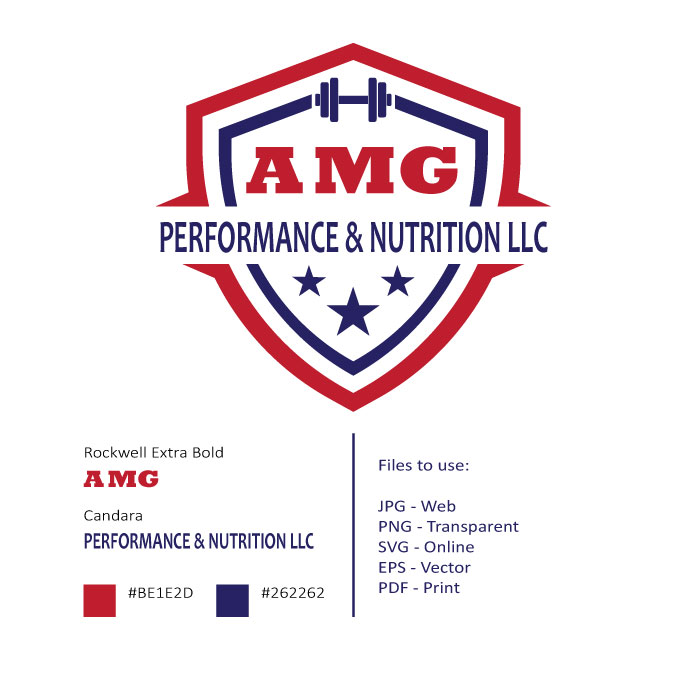
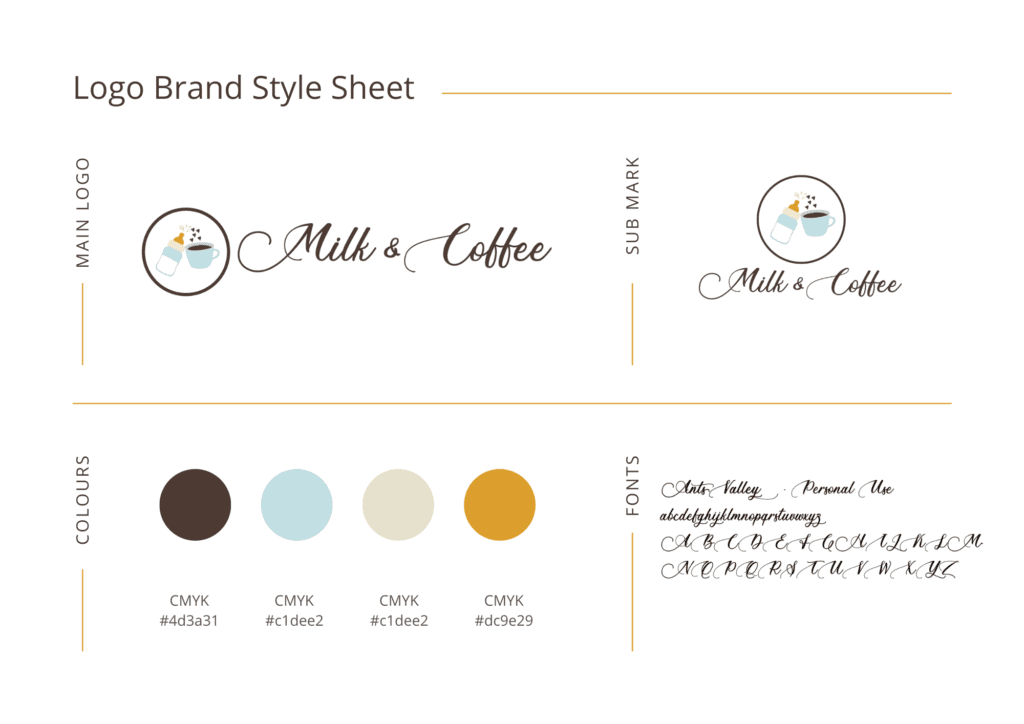
Your brand is a key part of your business’s identity, and a branding guide is the cornerstone that holds it all together. This article talks about what a branding guide document is and how to use it for your business. SunnValley’s comprehensive branding guide design services ensure your business stands out and stays true to its identity. Se a mini brand guide mock up below.
What Is a Branding Guide?
A branding guide, sometimes called a brand style guide, is a document that lays out the rules and standards of your brand. It covers everything from your logo and color palette to your brand’s voice and messaging. In essence, it’s the blueprint for how your brand looks, feels, and sounds across all platforms and communications.
A set of guidelines ensures that your company—and any external partners—always present your brand consistently. This consistency builds recognition and trust, two essential components of a strong brand.This consistency helps build recognition and trust, two essential components of a strong brand.
How It Benefits Your Business
You might wonder why having a branding guide is necessary. The short answer is that it brings consistency and clarity to your brand. But let’s break down the specific ways this graphic design plan can benefit your business.
Consistency Across All Channels
One of the main benefits of a marketing plan is that it ensures consistency across all channels. Whether it’s your website, social media, print materials, or even your email signatures, branding ensures that everything looks and feels like it belongs to the same brand. This consistency helps reinforce your brand identity, making it easier for customers to recognize and remember you.
Clear Communication
A branding guide is essential for communicating your company’s identity clearly and effectively. It outlines the visual and verbal elements that make up your brand, such as your logo, colors, fonts, and tone of voice. Documenting these elements ensures that everyone in your company knows how to represent the brand correctly. Use this for designing a new marketing campaign or interacting with customers.
Time and Cost Efficiency
When you have this graphic design plan in place, you save time and money. Your team doesn’t have to guess which font to use or what color is the right shade for your logo. The guide lays everything out, making it easier to create materials that align with your brand. This efficiency extends to any external partners you work with, such as designers, printers, or marketing agencies. They can quickly refer to the business’s identity and create on-brand materials without constant back-and-forth.
Enhanced Professionalism
A custom brand gives your business a professional edge. It shows that you take your brand seriously and that you’ve invested time in developing a consistent identity. This professionalism can greatly influence how customers, partners, and even competitors perceive your business.
Flexibility and Adaptability
While a branding guide sets the rules for presenting your brand, it also provides flexibility. As your business grows and evolves, update your graphic design plan to reflect new products, services, or market positions. At SunnValley, we help businesses create adaptable guides, allowing you to maintain consistency even as your brand evolves.
Creating a branding guide involves pulling together several key components that define your brand. At SunnValley, we tailor each guide to fit the unique needs of your business, but there are some fundamental elements that every branding guide should include:
Logo Usage
Your logo is the most recognizable part of your brand. This document specifies how to use your logo, including size requirements, color variations, and spacing rules. It also outlines any restrictions, such as where the logo shouldn’t appear or how it should not be altered.
Color Palette
Colors are a powerful way to convey your brand’s personality. The branding guide will include a color palette with specific color codes for digital and print use. This ensures that your brand’s colors are consistent across all mediums, from your website to your business cards.
Typography
The fonts you use are another important aspect of your brand’s identity. Your business’s identity will specify which fonts should be used for headlines, body text, and other design elements. It will also include guidelines on font sizes, spacing, and alignment to maintain a consistent look and feel.
Brand Voice and Tone
Your brand’s voice is how you communicate with your audience, while the tone can vary depending on the context. The business’s identity will define your brand’s voice—whether it’s formal, casual, friendly, or authoritative—and provide examples of how to use it in different situations. This ensures that all your communications, from social media posts to customer emails, are aligned with your brand’s personality and experience with your business.
Imagery and Visual Style
The images and visual style you use are also part of your brand’s identity. The branding guide will include guidelines on the types of images that align with your brand, whether it’s photography, illustrations, or graphics. It might also specify how images should be edited or filtered to maintain a consistent look.
Additional Elements
Depending on your business, there may be other elements that need to be included in your branding guide. This could be anything from iconography and infographics to the tone of customer service interactions. At SunnValley, we customize each branding guide to ensure it covers all the unique aspects of your brand.
How SunnValley Can Help You
Creating a branding guide isn’t just about compiling a few design elements; it’s about defining your brand’s identity and ensuring it’s communicated consistently. At SunnValley, we specialize in helping businesses create branding guides that are not only comprehensive but also easy to use.
We start by getting to know your business—your goals, your target audience, and your vision for the brand. From there, we develop a branding guide that reflects your unique identity and provides clear guidelines for everyone involved in your brand’s communication.
Whether you’re starting from scratch or need to update your existing branding, SunnValley is here to help. We’ll work with you to create a branding guide that ensures your brand is presented consistently and professionally across all channels.
Conclusion
A branding guide is more than just a set of rules—it’s part of your marketing strategy that helps your business present a consistent, professional image to the world. SunnValley ensures that your business’s identity is tailored to your business’s needs and reflects your brand’s unique identity. Ready to take your brand to the next level? Let SunnValley create a branding guide that will help your business stand out and succeed.
Branding is more than just a name or a logo. It’s the story we tell, the values we stand for, and the connection we create with the people who engage with our business. If you’re starting a new venture or giving an existing one a fresh face, walking through this branding checklist can help us build something memorable and impactful together.
Branding Checklist
Brand Name
Your brand name is the cornerstone of your identity. It’s the first thing people will associate with your business, so it’s important to get it right. When thinking about a name, consider how well it represents what you do and who you are. It should be easy for people to remember and say. You don’t want your customers stumbling over it or forgetting it altogether. Also, make sure the name is unique enough to stand out from the competition. In today’s digital world, it’s also wise to check if the domain name is available. Your website is going to be a major touchpoint for your brand, and having a matching domain name can make things seamless.
Logo
Your logo is the visual symbol of your brand. It’s the image that will be on your website, business cards, social media, and everywhere else your brand shows up. A great logo is simple, memorable, and reflective of your brand’s personality. You want something that people will instantly recognize as yours, whether they see it on a billboard or a social media post. Think about how the logo looks in different sizes and formats, too. It needs to work well everywhere, from a tiny favicon to a large banner.
Mission Statement
Your mission statement is a brief declaration of your brand’s purpose. It’s why you do what you do. This isn’t just a formality—it’s the guiding principle for everything your brand does. Your mission statement should clearly state what you’re trying to achieve and who you’re trying to help. It’s the message you want your team to rally around and your customers to connect with. When someone asks what your brand is all about, this is the answer you want to give. See our mission statement.
Brand Values
Brand values are the core beliefs that drive your business. They influence your decisions, actions, and the way you interact with your customers. These values should be more than just words on a page; they should be reflected in every aspect of your brand. When you make a decision, whether it’s about hiring, marketing, or customer service, your brand values should guide you. They help build trust and loyalty with your audience because they show that you stand for something meaningful.
Typography
The fonts you choose are more important than you might think. Typography sets the tone for your brand and makes your content more readable and engaging. The right font can convey professionalism, playfulness, elegance, or anything else that aligns with your brand’s personality. When choosing typography, consider how it works with your logo and other brand elements. It should be consistent across all your materials, from your website to your business cards. This consistency helps create a unified brand experience for your customers.
Brand Colors
Your brand colors are another key visual element that helps people recognize your brand. Colors have a powerful impact on emotions and perceptions. Think about what feelings you want your brand to evoke and choose colors that align with those emotions. Your color palette should be consistent across all your brand materials. Whether it’s your website, packaging, or social media graphics, using the same colors helps reinforce your brand identity and makes your business more recognizable.
Brand Imagery
The images you use are a big part of how people perceive your brand. This includes photos, illustrations, and any other visuals that represent your brand. Your imagery should be consistent with your brand’s tone and values. If your brand is all about simplicity and elegance, your images should reflect that. If you’re aiming for something more energetic and bold, your visuals should match that vibe. The goal is to create a visual experience that feels cohesive and tells your brand’s story.
Brand Voice
Your brand voice is how you communicate with your audience. It’s the tone and style of your messaging. Your voice should be consistent across all your communications, whether it’s your website copy, social media posts, or customer emails. Think about how you want to come across—are you casual and friendly, or more formal and professional? Your brand voice should reflect your brand’s personality and values. It’s how you build a relationship with your audience and make your brand feel human.
Bringing It All Together
Creating a strong, cohesive brand identity is about more than just ticking off items on a checklist. It’s about understanding who you are as a brand and how you want to be perceived by your audience. When all these elements—your name, logo, mission statement, values, typography, colors, imagery, and voice—work together, they create a powerful brand identity that resonates with people and leaves a lasting impression.
By following this branding checklist, you’re not just building a brand—you’re creating an experience. It’s the experience your customers will have every time they interact with your business. When done right, your brand becomes more than just a business; it becomes something people connect with, trust, and choose over the competition.
So, take your time, be thoughtful, and make sure each element of your brand is aligned with the story you want to tell. Your brand identity is a reflection of who you are and what you stand for. And when you get it right, it’s something your customers will remember long after their first interaction with you.
Authenticity is king and has emerged as a powerful brand differentiator. Whether you’re building a personal brand or a business brand, authenticity is what will make you stand out and connect with your audience on a deeper level. But what does it mean to be authentic? How can you ensure that your brand is genuinely authentic? This blog post will explore the essence of branding authenticity, how to create it, and provide real-world examples to inspire you.
Branding authenticity refers to the practice of being true to your brand’s core values, mission, and promises. It’s about presenting a brand identity that is honest, transparent, and reflective of your true self or your business’s purpose. Authentic brands are those that consumers believe are genuinely committed to their values, not just using them as a marketing tactic.
Consumers are increasingly skeptical of polished, overly-produced branding efforts, authenticity is what humanizes your brand and creates trust. Authenticity doesn’t mean being perfect; it means being real, relatable, and transparent about who you are, what you do, and why you do it.
Why is Authenticity Important?
Consumers today are bombarded with options, and trust has become a key factor in their decision-making process. Authentic brands build trust by demonstrating integrity, consistency, and a genuine commitment to their promises. This trust translates into customer loyalty, advocacy, and long-term success.
Moreover, authentic branding can help differentiate your brand in a crowded market. It allows you to connect with your audience on an emotional level, fostering a sense of community and belonging. When customers feel like they share values with a brand, they are more likely to support it and spread the word to others.
How to Create an Authentic Brand
Creating an authentic brand involves more than just crafting a catchy tagline or a visually appealing logo. It requires a deep understanding of who you are as a brand and a commitment to reflecting that identity consistently across all touchpoints.
1. Know Your Core Values
The foundation of any authentic brand lies in its core values. These values are the principles that guide your brand’s actions and decisions. To create an authentic brand, start by identifying what truly matters to you or your business. Are you committed to sustainability, innovation, customer service, or community involvement? Your core values should be evident in everything you do, from the products you offer to the way you interact with customers.
2. Be Transparent
Transparency is a critical component of authenticity. Consumers appreciate brands that are open about their processes, challenges, and successes. Whether it’s being honest about your product’s limitations, sharing the story behind your business, or communicating openly during a crisis, transparency builds trust and reinforces your brand’s authenticity.
3. Embrace Your Uniqueness
Authentic brands are unapologetically unique. They don’t try to mimic competitors or follow the latest trends just because everyone else is doing it. Instead, they focus on what makes them different and lean into those differences. Whether it’s a quirky personality, a unique product offering, or an unconventional approach to customer service, embracing your uniqueness sets you apart and enhances your authenticity.
4. Consistency is Key
Consistency across all branding elements—visual identity, messaging, tone, and customer experience—is crucial to maintaining authenticity. Your brand should present a cohesive and consistent identity across all platforms and interactions. This consistency reassures customers that what they see is what they get, fostering trust and loyalty.
5. Tell Your Brand Story
Every brand has a story, and telling it authentically is a powerful way to connect with your audience. Your brand story should be more than just a timeline of events; it should convey the passion, purpose, and values that drive your brand. Whether you’re sharing the origins of your business, the challenges you’ve overcome, or the vision you have for the future, an authentic brand story resonates with customers and deepens their connection to your brand.
6. Engage with Your Audience
Authenticity is a two-way street. It’s not just about presenting your brand authentically but also about engaging authentically with your audience. This means listening to feedback, responding to comments, and fostering genuine interactions with your customers. Engaging authentically creates a sense of community connection and shows that you value your customers as individuals, not just as buyers.
Examples of Authentic Branding
To better understand how authenticity can be applied in branding, let’s look at a few examples of brands that have successfully embraced authenticity.
1. Patagonia
Patagonia, the outdoor clothing brand, is often cited as a prime example of authentic branding. The company’s commitment to environmental sustainability is evident in every aspect of its business, from its products to its marketing campaigns. Patagonia’s “Don’t Buy This Jacket” campaign, which urged customers to buy less and consider the environmental impact of their purchases, was a bold move that reinforced the brand’s authentic commitment to sustainability. This transparency and alignment with its core values have helped Patagonia build a loyal customer base that shares its commitment to the environment.
2. TOMS
TOMS is another brand known for its authenticity. The company’s “One for One” model, where a pair of shoes is donated for every pair purchased, is at the heart of its brand identity. TOMS has been transparent about its mission and the impact of its giving programs, which has resonated with consumers who value social responsibility. This authentic commitment to making a difference has set TOMS apart in the competitive footwear market.
3. Personal Branding: Gary Vaynerchuk
In the realm of personal branding, Gary Vaynerchuk is a standout example of authenticity. Known for his no-nonsense, transparent approach, Gary consistently shares his journey, thoughts, and experiences with his audience. He doesn’t shy away from discussing his failures or the hard work behind his success. This raw, unfiltered approach has endeared him to millions of followers who appreciate his honesty and relatability.
Conclusion
In today’s marketplace, where trust and connection are paramount, authenticity is more than just a buzzword—it’s a necessity. Whether you’re building a personal brand or a business brand, embracing authenticity allows you to stand out, build trust, and foster meaningful connections with your audience. By knowing your core values, being transparent, embracing your uniqueness, maintaining consistency, telling your brand story, and engaging with your audience, you can create a great brand that is not only authentic but also truly resonates with those you seek to serve.
Remember, authenticity isn’t about being perfect; it’s about being real. And in a world full of noise, real is what people are looking for.