Guide for creating the perfect tagline

When branding, the perfect tagline is much more than a catchy phrase. It’s a powerful statement that communicates the essence of your brand in just a few words. As a graphic designer, I’ve come to understand how vital a well-crafted tagline is for establishing a strong brand identity. It’s not just about creativity—it’s about clarity, relevance, and making a lasting impression. In this guide, I’ll walk you through the key steps to creating a tagline that speaks to your audience, reflects your brand values, and stands the test of time.

CBean Transport Colebrook, NH Web Design

Understand Your Brand

Before you dive into creating a tagline, the first step is to understand your brand fully. This means taking a step back and evaluating your core values, your mission, and what makes you different from competitors. A tagline is essentially the distilled version of your brand’s identity, so it needs to reflect your business’s personality and purpose.

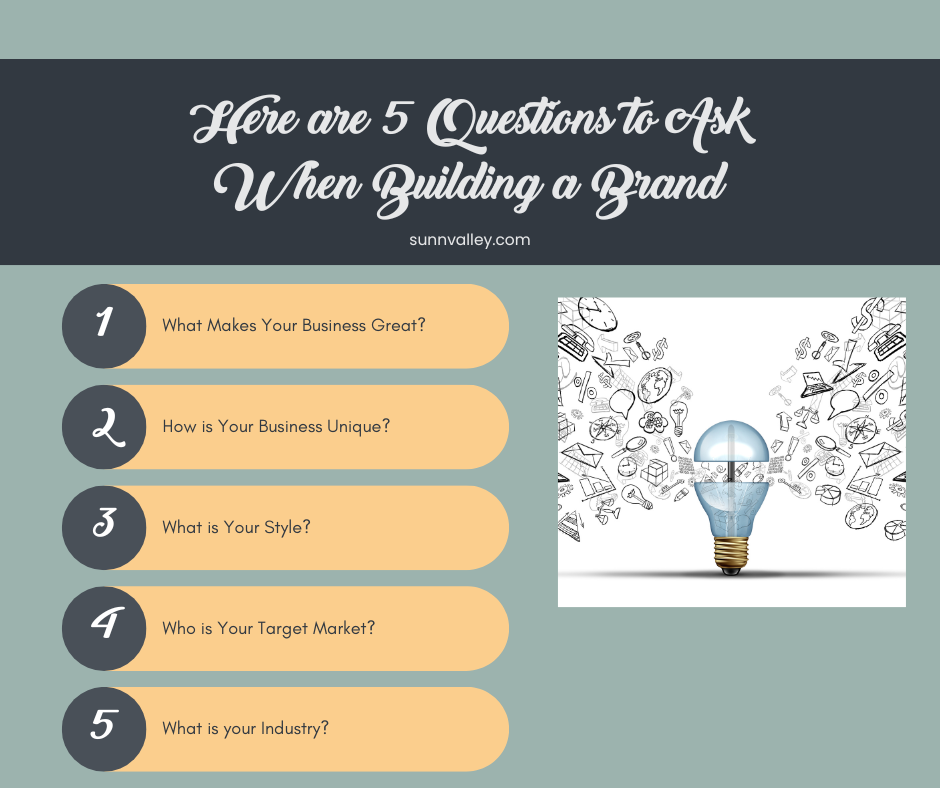
Ask yourself questions like: What problem does your business solve? What makes your product or service unique? Who is your target audience, and what do they value? A good tagline should not only communicate your offering but also resonate with the emotions and needs of your audience. Without this clarity, your tagline won’t have the impact you’re hoping for.

Keep It Short and Memorable

When it comes to taglines, less is more. The best taglines are short, snappy, and easy to remember. Think about some of the most iconic taglines in history: “Just Do It,” “Think Different,” and “I’m Lovin’ It.” They’re all short, punchy, and instantly recognizable. The power of a great tagline lies in its ability to be recalled after a single encounter.

Avoid the temptation to overcomplicate your message. Focus on getting your point across in as few words as possible, and make sure those words are impactful. A concise tagline can be more memorable, creating an immediate connection with your audience. Aim for clarity, simplicity, and brevity without sacrificing meaning.

Communicate Your Unique Selling Points

Your tagline should showcase what makes your brand different. It’s a chance to highlight your unique selling points (USPs)—the features or benefits that set your business apart from competitors. Whether it’s your innovative approach, your dedication to quality, or your exceptional customer service, these differentiators should be front and center.

For example, if your brand is known for precision and attention to detail, a tagline like “Elegance in Every Detail” might be a perfect fit. This tagline communicates both quality and sophistication in a simple yet effective manner. It tells your audience exactly what they can expect from your brand.

Speak to Your Audience

A successful tagline speaks directly to your target audience, addressing their needs, desires, and aspirations. It’s important to understand who you’re trying to reach and what motivates them. Your tagline should create an emotional connection, one that resonates deeply with your audience’s core values and emotions.

For example, if your target audience is adventurous outdoor enthusiasts, a tagline like “Fueling Your Outdoor Adventures” would speak to their interests and lifestyle. Tailoring your message to your audience helps build that deeper connection and makes the tagline more memorable.

Evoke Emotion

Emotion is a powerful tool in branding. A well-crafted tagline can trigger an emotional response that resonates with your audience long after they’ve encountered it. Whether it’s joy, trust, excitement, or nostalgia, tapping into emotion helps create a bond with your audience.

For instance, “Rediscover Joy Every Day” is a tagline that invokes happiness and positivity, aligning with the brand’s message of spreading joy. Emotionally charged taglines are more likely to stick in the minds of your audience, making them more effective in creating brand loyalty.

Highlight the Benefits

A tagline should give your audience a clear sense of what they’ll gain by choosing your brand. It’s an opportunity to highlight the benefits of your product or service and convey the value that customers will receive. Whether it’s saving time, improving their experience, or providing a solution to a problem, the tagline should address their pain points and offer a clear benefit.

Take, for example, “Simplify Your Tech Experience.” This tagline speaks to the frustration that many people feel with complicated technology. It promises to make their experience easier, which is a compelling value proposition. Make sure your tagline communicates how your brand improves your customers’ lives.

Use Clear and Simple Language

While creativity is important, clarity is equally crucial. Avoid using jargon or overly complex language that might confuse your audience. A tagline should be easily understood, no matter who reads it. The goal is to create a simple, straightforward message that resonates across different demographics.

For instance, a tagline like “Your Trusted Financial Partner” is clear, direct, and speaks to the brand’s promise of security and reliability. It doesn’t require any explanation—it’s immediately understood by the audience, making it effective for a wide range of people.

Test for Memorability

Once you’ve crafted a potential tagline, it’s important to test it. Share it with a small focus group, or run a survey to gauge its effectiveness. Does it stick with people? Do they recall it easily after reading or hearing it? A memorable tagline is one that stays in the minds of your audience, helping to reinforce brand recall.

Testing is crucial because it allows you to see if your tagline has the desired impact. It’s an opportunity to refine and tweak your message before you make it public. A tagline that doesn’t resonate or is hard to remember may need further revision.

Ensure Versatility Across Platforms

Your tagline should work across various marketing platforms and materials. Whether it’s a billboard, a website, a social media post, or a TV ad, your tagline should maintain its impact and effectiveness no matter where it appears. This means that it needs to be short, clear, and adaptable to different formats.

For example, “Style That Transcends Time” works well across diverse media formats, from print ads to digital campaigns. Its versatility ensures that it can be used consistently across all marketing efforts, maintaining a cohesive brand message.

Align With Brand Values

A tagline should align with your brand’s core values. Consistency between your tagline and your overall brand message is essential for building trust and credibility. If your brand values sustainability, your tagline should reflect that. A tagline like “Sustainability in Every Stitch” aligns with a brand that places importance on eco-friendly practices, appealing to a conscious consumer base.

When your tagline resonates with your values, it strengthens your overall brand narrative and helps reinforce your brand identity in the minds of consumers.

Seek Professional Guidance

If you find yourself struggling to create a compelling tagline, don’t hesitate to seek help from a professional. Branding experts and copywriters can bring a fresh perspective and offer valuable insights that might help you fine-tune your message. They have the expertise to help you craft a tagline that captures the essence of your brand and resonates with your audience.

Conclusion

Creating a powerful tagline is a thoughtful process that requires a deep understanding of your brand, audience, and market positioning. By keeping your message simple, memorable, and aligned with your brand values, you can craft a tagline that speaks to your customers and helps you stand out from the competition. Whether it’s through emotional resonance, clear benefits, or unique selling points, a well-crafted tagline is an invaluable asset to your brand, leaving a lasting impression on your audience.

How to tell a brand story

In the dynamic world of business, where products and services abound, the true essence of a brand lies in its story. Your brand narrative is not just a chronicle of events but a powerful tool that can forge deep connections with your audience, conveying the heart and soul of your business. In this guide, we will delve into the intricacies of crafting a compelling brand story that not only captures attention but also creates a lasting impact.

Discover the Core of Your Business

At the heart of every compelling brand story is a genuine understanding of what makes your business tick. Reflect on your mission, values, and the passion that drives your team. Identify the unique aspects of your business that set you apart in the market. This introspective exploration will lay the foundation for a narrative that resonates with authenticity.

*Example: “At XYZ Co., our journey began with a simple yet powerful mission — to make sustainable living accessible to all. Our commitment to environmental responsibility and community well-being is embedded in every decision we make and every product we create.”

Know Your Audience Intimately

Just as every story has its audience, your brand story should speak directly to the hearts and minds of your target customers. Dive deep into market research to understand their needs, desires, and pain points. Knowing your audience intimately allows you to tailor your narrative in a way that sparks genuine interest and connection.

Craft a Compelling Origin Tale

Every business has a beginning, and your origin story is a powerful chapter in your brand narrative. Share the challenges, triumphs, and pivotal moments that shaped your business. This personal touch humanizes your brand, making it relatable and fostering a sense of connection with your audience.

*Example: “Understanding that our audience values authenticity, we conducted in-depth market research to discover their preferences. By doing so, we learned that our customers not only seek quality products but also resonate with brands that champion social causes and environmental sustainability.”

Define Your Brand Personality

Your brand is more than just a name or a logo; it is a personality. Define the characteristics that embody your brand – is it bold and adventurous, warm and empathetic, or cutting-edge and innovative? Incorporate this personality consistently across all aspects of your business, from communication to design, reinforcing your brand story.

*Example: “XYZ Co. is more than a brand; it’s a lifestyle. Our adventurous spirit and commitment to pushing boundaries are reflected not only in our products but also in the bold and vibrant visuals that embody our brand personality. We invite our customers to join us on this exciting journey.”

Visual Identity Speaks Volumes

A picture is worth a thousand words, and in the realm of brand storytelling, visual identity plays a pivotal role. Invest in a cohesive and visually appealing logo, color palette, fonts, and imagery that align with your brand essence. These visual elements serve as the visual cues that help your audience recognize and remember your brand.

*Example: “Our logo, a stylized tree intertwined with the initials XYZ, symbolizes growth, interconnectedness, and sustainability. The earthy color palette and nature-inspired imagery in our marketing materials reinforce our commitment to eco-friendly practices and resonate with our environmentally conscious audience.”

Clarify Your Message

In the cluttered landscape of modern marketing, simplicity is key. Clearly articulate your brand message, conveying not only what you do but why you do it. A concise and compelling message forms the backbone of your brand story, making it easy for your audience to understand and remember.

*Example: “At XYZ Co., we don’t just sell products; we are on a mission to redefine the way people live. Our message is clear — embrace sustainability without compromising style. Join us in creating a future where conscious choices are synonymous with modern living.”

Stir Emotions to Forge Connections

Emotions are the bridge between your brand and your audience. Craft your brand story to evoke emotions that resonate with your target customers. Whether it’s joy, nostalgia, or inspiration, tapping into these emotions creates a memorable and impactful connection.

*Example: “Every product we design is infused with the joy of making a positive impact. Picture the delight on a customer’s face as they unbox our eco-friendly packaging, knowing they’ve made a choice that aligns with their values. It’s these moments that define the emotional connection we share with our audience.”

Utilize Various Platforms for Storytelling

Your brand story is a dynamic narrative and voice that should unfold across multiple platforms. Leverage the power of social media, your website, blogs, and even offline channels to share different facets of your story. Consistency in storytelling across these platforms ensures a unified and compelling brand narrative.

*Example: “From vibrant Instagram stories that take our followers behind the scenes to our blog where we share in-depth stories about sustainable living, we use a variety of platforms to weave a comprehensive narrative. Our interactive website invites customers to explore the journey of each product, adding depth to the brand story.”

Engage Your Audience Actively

Encourage your audience to be active participants in your brand story. Invite them to share their experiences, provide feedback, and even contribute user-generated content. This interactive engagement transforms your brand story from a monologue to a conversation, fostering a sense of community.

*Example: “Through our #LivingGreenChallenge, we encourage our community to share their sustainable living tips and experiences. The response has been incredible, turning our brand story into a collaborative effort where our customers actively contribute to the narrative, creating a sense of belonging.”

Evolve and Adapt with Your Audience

A brand story is not a static entity; it should evolve as your business grows and as the market changes. Stay attuned to the needs and preferences of your audience, adapting your narrative to remain relevant and engaging. This flexibility ensures that your brand story remains a living, breathing entity.

*Example: “As our community grows, so does our brand story. We adapt to the changing landscape, incorporating feedback, embracing new technologies, and addressing emerging sustainability issues. Our commitment to evolution ensures that our brand story remains relevant and continues to inspire positive change.”

Telling a brand story about your business is not just about showcasing what you offer; it’s about unveiling the soul of your enterprise. By crafting a narrative that authentically reflects your values, engages your audience emotionally, and evolves with your business, you create a story that goes beyond marketing – it becomes a living testament to the essence of your brand. Master the art of brand storytelling, and watch as your audience not only becomes customers but advocates who believe in the story you tell.

Importance of Brand Photography

Why Professional Photography Isn’t Just a Nice-to-Have (It’s a Game-Changer)

Let’s be real—first impressions totally matter, especially in today’s fast-scrolling, super-visual world. Before anyone reads a single word on your site or social media, they’re already forming opinions based on what they see. So if your visuals don’t grab their attention or reflect who you are as a brand? You might lose them before they even stick around.

That’s where professional brand photography or professional stock photography swoops in to save the day.

On Location Commercial Photography by SunnValley, Columbia, NH

Here is a list of our websites that use our some of our photography:

Your Brand’s Look = Its Personality

Think of your brand like a person. Photos are its outfit, style, and facial expressions. They tell people what you’re all about before you even say a word. DIY photos can work in a pinch, but if you want your brand to look polished, trustworthy, and legit? A pro photographer makes all the difference.

First Impressions Are Fast

We’re talking seconds. Someone lands on your website or Instagram and—bam—they’ve made up their mind about your business. Sharp, clean, scroll-stopping photos instantly say, “Hey, we’ve got our act together.” That visual quality sticks with people. It’s how you stand out and stay remembered.

Trust Starts with the Right Photos

Ever stumbled onto a site with blurry product pics or dark, awkward lighting? Doesn’t exactly scream “we care,” right? On the flip side, professional photos show that you’re serious about what you do. You’ve invested in your image because you care about the experience your customers have. And people notice that.

Photos That Feel Something

Great photography isn’t just about looking good—it’s about feeling something. Whether it’s cozy and family-run or sleek and cutting-edge, the right images spark emotion. And those emotions? They’re what turn window shoppers into loyal customers.

Keep It Consistent

One of the biggest perks of hiring a pro is the consistency you get. No matter where people find you—your website, social feeds, or print ads—they’ll get the same vibe every time. That kind of cohesion builds recognition and trust like nothing else.

Yes, It’s Worth the Investment

We get it—professional photography costs more than snapping a few pics on your phone. But it’s an investment, not just an expense. You get long-lasting images you can reuse all over the place, and they often lead to better engagement, more sales, and fewer product returns.

True Story:
One e-commerce brand upgraded its product photos with a professional shoot. Not only did their sales go up, but their return rate dropped too. Why? Customers knew exactly what they were getting—and felt confident clicking “buy.”

Future-Proof Your Brand

Trends change fast, but clean, well-composed professional images have staying power. Instead of chasing the next visual fad, you’ll have timeless photos that still look amazing years from now.


So… What’s the Takeaway?

Professional photography isn’t just about having pretty pictures. It’s about telling your story, earning trust, and making a killer first (and second, and third) impression. In a world where visuals are everything, great photos make sure your brand is putting its best face forward—every single time.

Need help figuring out how to show off your brand in the best light? Let’s chat about getting professional photos done or how to prep for a brand shoot.

How to embrace adaptive branding

In the dynamic world of business, where trends come and go, adaptive branding has emerged as a crucial strategy for staying relevant and resonating with your audience. This blog post will explore the concept of adaptive branding and provide practical insights on how to integrate it into your business model.

Understanding Adaptive Branding

What is Adaptive Branding?

Adaptive branding is a proactive approach to branding that acknowledges the ever-changing nature of consumer preferences, market trends, and technological advancements. It involves continuously evolving your brand to remain in sync with the zeitgeist, fostering a deeper connection with your audience.

The Importance of Adaptive Branding

In a fast-paced digital landscape, static brands risk becoming obsolete. Adaptive branding not only helps your business survive but also thrive by aligning with the current market dynamics, ensuring longevity and sustained relevance.

Key Strategies for Embracing Adaptive Branding

Consumer-Centric Approach

Prioritize understanding your target audience. Conduct market research, analyze consumer behavior, and stay attuned to their preferences. This information becomes the foundation for adapting your brand to meet their evolving needs and expectations.

Agile Brand Messaging

Craft a brand message that is flexible and can be adjusted to align with changing trends. This allows your brand to seamlessly integrate new elements without losing its core identity, keeping it fresh and engaging.

Visual Identity Evolution

Your brand’s visual elements, such as logos and color schemes, should not remain stagnant. Regularly assess and update these elements to reflect contemporary design trends and maintain a visually appealing brand image. Strategies for logo design.

Digital Innovation

Embrace emerging technologies and digital platforms. Whether it’s incorporating interactive content, leveraging augmented reality, or exploring new social media channels, staying technologically current is essential for adaptive branding.

Feedback Integration

Actively seek and respond to customer feedback. Use customer insights to refine your products, services, and brand positioning. This iterative feedback loop ensures that your brand remains responsive to the evolving needs of your audience. How to discover what makes your business stand out.

Real-World Examples of Adaptive Branding Success

Nike: Evolving with Athletes

Nike’s adaptive branding is evident in its continuous collaboration with athletes and influencers. By aligning with emerging sports trends and cultural movements, Nike ensures its brand remains synonymous with athleticism and innovation.

Apple: A Masterclass in Innovation

Apple’s ability to adapt its product offerings while maintaining a consistent brand aesthetic is a testament to adaptive branding. The company consistently introduces cutting-edge technology, ensuring its brand stays synonymous with innovation and premium quality.

How to market a service-based business.

Industry Conferences and Events

Attend industry-specific conferences and events where experts discuss the latest trends in branding and marketing. These gatherings provide valuable insights and networking opportunities.

Online Marketing Publications

Regularly follow reputable online marketing publications and blogs that provide in-depth analyses of emerging trends. Platforms like HubSpot, Moz, and Adweek are excellent sources of industry insights.

Webinars and Workshops

Participate in webinars and workshops conducted by marketing professionals. These events often delve into practical strategies and case studies, offering actionable takeaways for implementing adaptive branding.

Networking with Peers

Build a network of marketing professionals and peers. Engage in discussions, share experiences, and learn from others in the industry. Networking provides valuable perspectives and keeps you informed about industry shifts.

Here is where you can find 2024 Instagram Trends for example.

Adaptive branding is not just a buzzword; it’s a survival strategy in today’s ever-changing business landscape. By embracing the principles of adaptive branding and staying informed about the latest trends in online marketing, your brand can not only withstand the test of time but also emerge as a leader in your industry. So, take the plunge, adapt, and watch your brand thrive in the face of change.

How to choose brand colors

When it comes to branding and choosing brand colors other visual elements play a role in creating a lasting impression. Among these elements, colors emerge as the conductors, orchestrating the mood, personality, and identity of a brand. This blog post aims to delve into the art of choosing colors for your brand, unraveling the psychological nuances, cultural considerations, and practical tips that can guide you in creating a cohesive and compelling brand identity.

The Psychology of Colors

Red: Passion and Energy

The color red ignites a profound sense of passion, energy, and excitement. It’s a bold choice for brands seeking to stand out in a crowd and create a compelling sense of urgency. Red is a powerful conductor of attention, making it an ideal choice for brands that want to make a bold and memorable statement.

Blue: Trust and Professionalism

Blue, with its calming and trustworthy aura, is synonymous with professionalism. It’s a reliable choice for corporate brands aiming to convey stability and trustworthiness. Whether it’s the deep navy of a financial institution or the vibrant blue of a tech giant, this color can instill a sense of confidence in your audience.

Green: Nature and Wellness

Symbolizing nature, growth, and wellness, green is often the go-to choice for brands associated with sustainability, health, and the environment. Whether you’re in the business of organic products or promoting a healthy lifestyle, shades of green can communicate a connection with nature and a commitment to well-being.

Yellow: Optimism and Clarity

Radiating optimism and clarity, yellow is an excellent choice for brands looking to convey positivity and innovation. This vibrant hue captures attention and exudes a sense of friendliness. Brands that want to stand out as approachable and forward-thinking often incorporate yellow into their color palettes.

Purple: Luxury and Creativity

Often associated with luxury, creativity, and sophistication, purple is a compelling choice for brands aiming to convey a sense of exclusivity. Whether it’s a high-end product or a brand with a focus on artistic expression, purple adds a touch of elegance and creativity to the visual identity.

Orange: Energy and Playfulness

Orange, with its energetic and playful demeanor, is a vibrant choice for brands that want to convey enthusiasm and friendliness. It’s a color that sparks excitement and can be particularly effective for brands targeting a youthful and energetic audience.

Neutral Tones: Elegance and Simplicity

When it comes to timeless choices, neutral tones such as black, white, and gray convey elegance, simplicity, and versatility. These classic hues provide a sophisticated backdrop, allowing other colors or elements to shine. Neutral tones are often the foundation of minimalist and timeless brand identities.

Practical Tips for Choosing Colors

Know Your Audience

Understanding your target audience is the first step in choosing the right colors for your brand. Consider their preferences, demographics, and cultural background. Colors that resonate with your audience create a stronger emotional connection.

Consider Industry Standards

While uniqueness is essential, it’s crucial to consider industry standards. Certain colors are conventionally associated with specific sectors. Deviating too far from these standards might confuse your audience rather than make your brand memorable.

Test for Accessibility

Ensuring that the colors you choose are accessible to all users, including those with visual impairments, is paramount. Strive for a balance between aesthetics and inclusivity, making your brand welcoming to a diverse audience.

Limit Your Palette

While variety adds richness to life, too many colors can dilute your brand identity. Establish a limited color palette that reflects your brand personality and maintains consistency across all branding materials.

Test in Different Contexts

Colors can appear differently on various screens and in print. To ensure consistency and visual appeal, test your chosen colors across different mediums. This step is crucial in adapting your brand’s visual identity to the diverse contexts it may encounter.

In the grand symphony of brand building, colors play a pivotal role in composing the visual narrative. By understanding the psychology behind each color and incorporating practical tips into your decision-making process, you can orchestrate a visual masterpiece that resonates with your audience and leaves a lasting impression. The canvas is yours—paint it with the colors that define your brand’s identity. Here are two more helpful articles.

Elevate Your Business in 2024: 10 Unique Branding Tips

In the fast-paced and competitive world of business, establishing a distinctive and compelling brand is more critical than ever. As we step into the year 2024, businesses face heightened challenges and opportunities to set themselves apart in a crowded marketplace. This blog post will delve into unique branding tips designed to elevate your business, providing a roadmap for success in the dynamic landscape of the coming year.

1. Crafting a Compelling Narrative: Storytelling with Purpose

One of the most powerful tools in a brand’s arsenal is its story. Crafting a compelling narrative that resonates with your audience creates a connection beyond transactional relationships. By highlighting the values and mission behind your business, you can establish a profound emotional connection with customers, making your brand more memorable and relatable.

2. Embracing Adaptive Branding: The Power of Flexibility

In the dynamic landscape of 2024, adaptability is a brand’s secret weapon. Embrace adaptive branding to navigate the ever-changing market conditions and consumer preferences. Stay attuned to industry shifts, emerging trends, and customer feedback. A flexible brand can swiftly adjust its strategies, ensuring relevance and resonance in the fast-paced business environment. By being nimble and responsive, your brand can not only weather uncertainties but also position itself as a leader capable of evolving with the times.

3. Immersive Experiences: Interactive Branding Strategies

In 2024, embracing interactive elements in your branding strategy is not just an option—it’s a necessity. Augmented reality (AR), virtual reality (VR), and immersive web experiences offer unique opportunities to engage customers in ways that leave a lasting impact. By incorporating these technologies, you can create memorable experiences that set your brand apart from the competition.

4. Personalization at Scale: Tailoring Brand Interactions

In the era of big data, personalization is key to making your brand stand out. Leverage customer data to tailor your brand interactions to individual preferences. Whether through personalized marketing messages, product recommendations, or customized user interfaces, personalization at scale enhances customer satisfaction and loyalty.

5. Collaborative Innovation: The Power of Partnership

Consider collaborative efforts with other businesses, influencers, or artists to infuse fresh perspectives into your brand. Collaborations not only introduce your brand to new audiences but also create a buzz around your products or services. In 2024, strategic partnerships are a dynamic way to amplify your brand’s reach.

6. Striking Visual Identity: Investing in Aesthetics

Investing in a visually striking and cohesive brand identity is a timeless strategy. Consistency in the use of colors, fonts, and imagery across all platforms helps in creating a strong and recognizable brand image. Consider refreshing your visual identity to align with current design trends and maintain relevance in the eyes of your audience.

7. Early Adoption of Emerging Platforms: Staying Ahead in the Digital Landscape

Staying ahead in 2024 involves exploring and embracing emerging platforms. Whether it’s a new social media channel, a cutting-edge technology, or an innovative advertising platform, being an early adopter can give your brand a competitive edge. Keep an eye on the digital horizon and be prepared to adapt to new trends and technologies.

8. User-Generated Content Campaigns: Turning Customers into Advocates

Empower your customers to become brand advocates by incorporating user-generated content (UGC) into your marketing strategy. UGC campaigns involve your audience in creating content, fostering a sense of community around your brand. This not only builds loyalty but also generates authentic content that resonates with potential customers.

9. AI-Enhanced Customer Experiences: Embracing Technological Advances

Incorporate artificial intelligence (AI) to enhance customer experiences. From chatbots providing instant support to personalized recommendations based on user behavior, AI can streamline interactions, provide better customer service, and position your brand as tech-savvy and forward-thinking.

10. Cultural Relevance and Inclusivity: Building Authentic Connections

In 2024, ensuring that your brand is culturally relevant and inclusive is imperative. Stay attuned to social and cultural movements, and demonstrate your commitment to diversity and inclusivity. Analysis and authenticity in these efforts are key to building trust with a diverse customer base, and fostering lasting connections beyond transactions. See more information about building marketing campaigns.

As we navigate the challenges and opportunities of 2024, these unique branding tips, combined with SunnValley’s commitment to technological excellence, can serve as a comprehensive guide to elevate your business. By crafting compelling narratives, embracing technological advancements, promoting sustainability, and fostering inclusivity, your brand can thrive in a competitive marketplace and build meaningful connections with customers. In an ever-evolving business landscape, staying ahead with a unique and impactful brand, supported by the latest technologies, is the key to success.