
When someone lands on your website or social media page, they decide pretty quickly how they feel about your business. Before they even read your services or pricing, they’re already picking up on visual cues. The photos you use matter more than most people realize.
As both a web designer and photographer, I see this all the time. Businesses spend a lot of money on websites, logos, and marketing, but then fill their site with generic stock images that look exactly like everyone else’s. The result is usually a website that feels polished… but not personal.
Stock photography definitely has its place, and I still use it occasionally for certain projects, blog graphics, or filler content. But when it comes to building trust and creating a memorable brand, real photography almost always wins.
People want to see the actual business behind the website. They want to see who they’re working with, where you work, what your process looks like, and what makes your business different from the next one.
And honestly, customers are getting very good at spotting fake-looking stock photos.
Table of contents
Why Businesses Use Stock Photos
There’s a reason stock photography became so popular. It’s fast, affordable, and easy to access. Sites like Shutterstock and Adobe Stock have millions of images ready to download instantly.
For small businesses trying to launch quickly or stay within a budget, stock images can help fill in the gaps. Sometimes you just need a quick visual for a blog post or a temporary placeholder on a website.
The problem is that many stock photos feel overly staged or disconnected from real life. You’ve probably seen them before — the fake office meeting where everyone is laughing at a laptop, the perfectly clean workshop that doesn’t look remotely real, or the same smiling customer service rep appearing on ten different websites.
Visitors notice this, even if they don’t consciously think about it.
Research from Nielsen Norman Group found that users tend to ignore obvious stock photos because they don’t see them as trustworthy or meaningful. On the other hand, authentic images of real people and real businesses perform much better.
That makes sense. We’re all drawn to authenticity now more than ever.
Real Photography Builds Trust Faster
One of the biggest advantages of custom brand photography is trust. When potential customers see actual photos of your business, they immediately feel more connected to you.
For example:
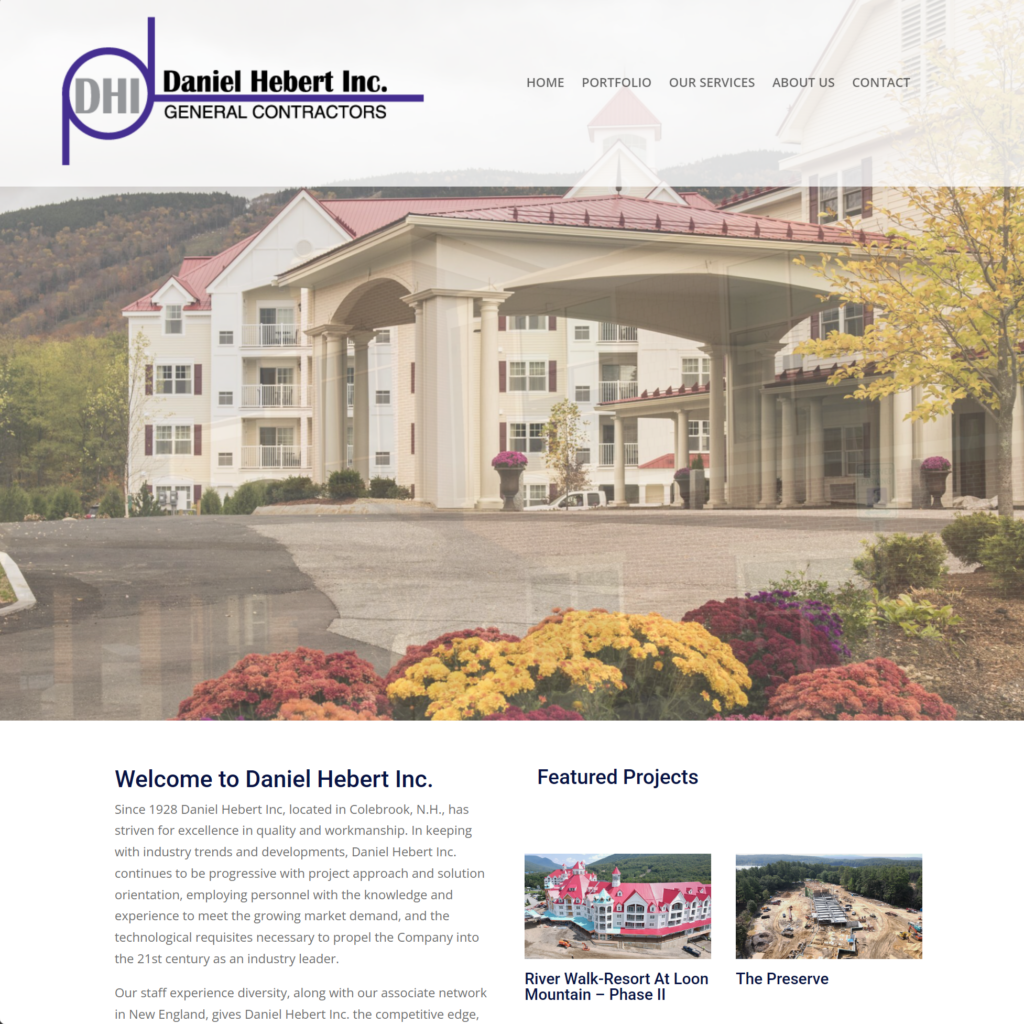
- A contractor showing real project photos
- A restaurant using photos of their actual food
- A small business owner showing behind-the-scenes images
- A photographer sharing genuine client work
- A local shop featuring their real storefront and staff
Those images tell a story that stock photography simply can’t.
When I work with businesses on websites, I can almost always tell when custom imagery is going to make a difference. The entire site feels more credible and personal. It helps visitors picture themselves working with you.
And from a branding standpoint, it separates you from competitors using the same recycled imagery everyone else downloaded.
Custom Images Can Improve Conversions
This isn’t just about making a website look prettier. Original photography can actually help businesses convert more visitors into customers.
One study from MarketingExperiments showed that replacing a stock photo with a real customer image increased conversions by more than 35%.
Why? Because people connect with real people.
Customers are naturally skeptical online. There are thousands of businesses competing for attention, and most websites start to blur together after a while. Authentic photography helps people feel like there’s a real person behind the brand.
Even simple things make a difference:
- Updated headshots
- Workspace photos
- Team photos
- Product images
- Behind-the-scenes content
- Lifestyle images connected to your actual business
These types of visuals help humanize a company in a way stock photography usually can’t.
Your Brand Should Look Like Your Brand
One thing I always tell clients is that branding isn’t just about logos and colors. Your photography style becomes part of your identity too.
If your website mixes bright corporate stock photos with random dark moody images and unrelated graphics, your brand starts to feel inconsistent. Visitors may not know exactly why, but the site feels less cohesive.
Custom photography creates consistency across:
- Your website
- Social media
- Blog posts
- Marketing materials
- Email campaigns
- Google Business listings
It gives your business a recognizable visual style that people start to associate with your brand.
That’s one reason larger brands invest so heavily in original photography. Companies like Apple have a very recognizable visual style. Small businesses can benefit from this too, even on a much smaller scale.
Stock Photography Still Has a Place
I’m definitely not saying businesses should never use stock photos. Sometimes stock imagery makes perfect sense, especially for:
- Blog graphics
- Abstract topics
- Social media fillers
- Background textures
- Concept visuals
The key is using it strategically instead of relying on it for everything.
If you do use stock photos, try to avoid the overly cheesy or obviously fake business images. Look for more natural, editorial-style photos that feel believable and emotionally real.
Some businesses also do a mix of both — custom photography for their main branding and carefully selected stock images for supporting content.
That approach can work really well.
Small Businesses Actually Have an Advantage
One interesting thing happening right now is that consumers are moving away from overly polished corporate marketing. People are craving businesses that feel genuine and approachable.
That gives small businesses a huge opportunity.
You don’t need a million-dollar photo shoot to connect with people. Sometimes a few authentic images of your workspace, your process, or your personality can outperform expensive stock imagery because they feel honest.
I’ve seen businesses with simple, well-lit real photos create stronger engagement than competitors with slick but generic marketing materials.
Customers want connection now. They want to know there’s an actual human behind the business.
Final Thoughts
At the end of the day, stock photos are convenient, but original photography creates a connection.
Your website should feel like you. Your social media should reflect your personality and your actual business, not just a collection of randomly downloaded images. Redesign every year to keep this content updated.
That doesn’t mean every photo has to be professionally staged. Authenticity matters more than perfection.
Even starting with updated photos of your team, workspace, products, or daily process can completely change how people experience your brand online.
People remember businesses that feel real. And in a world full of generic marketing, that authenticity can become one of your biggest advantages.