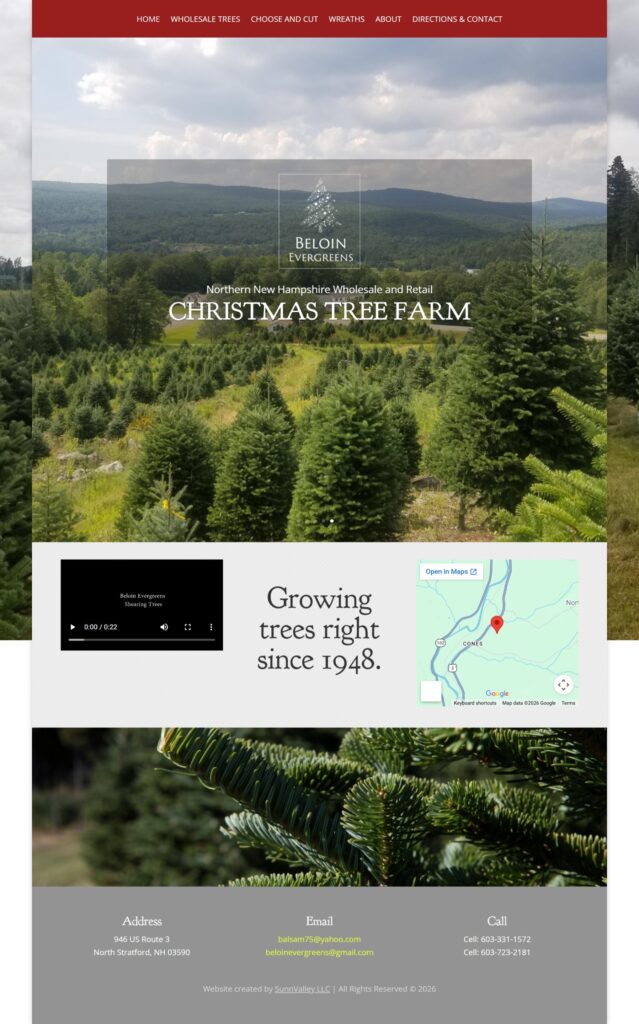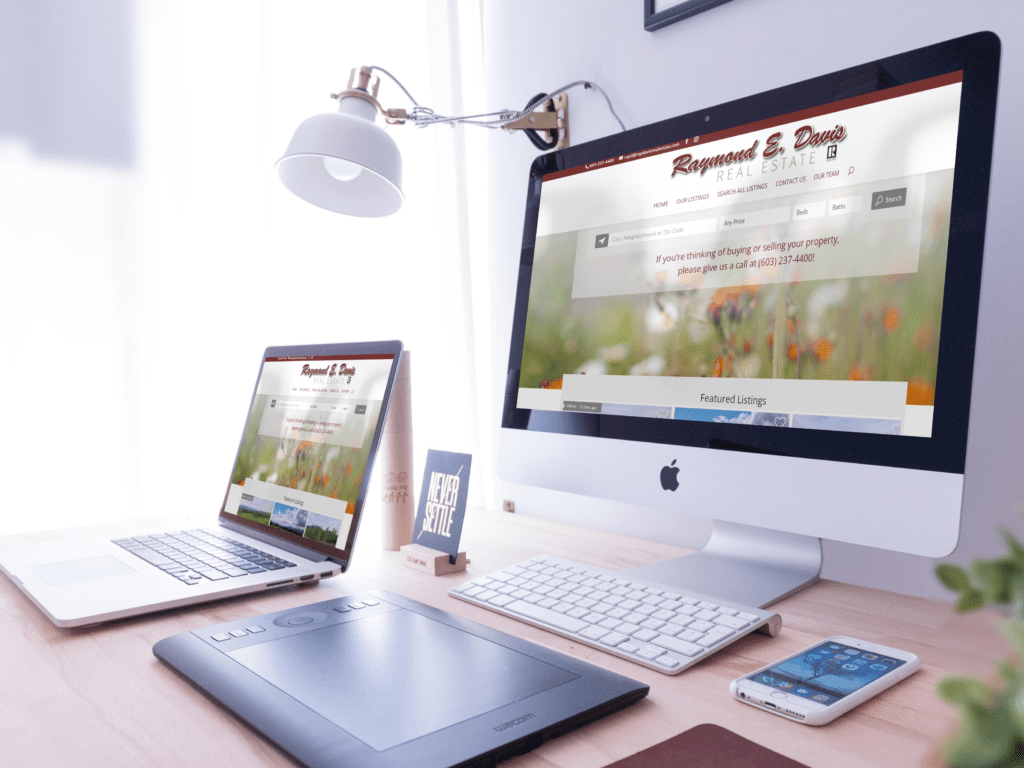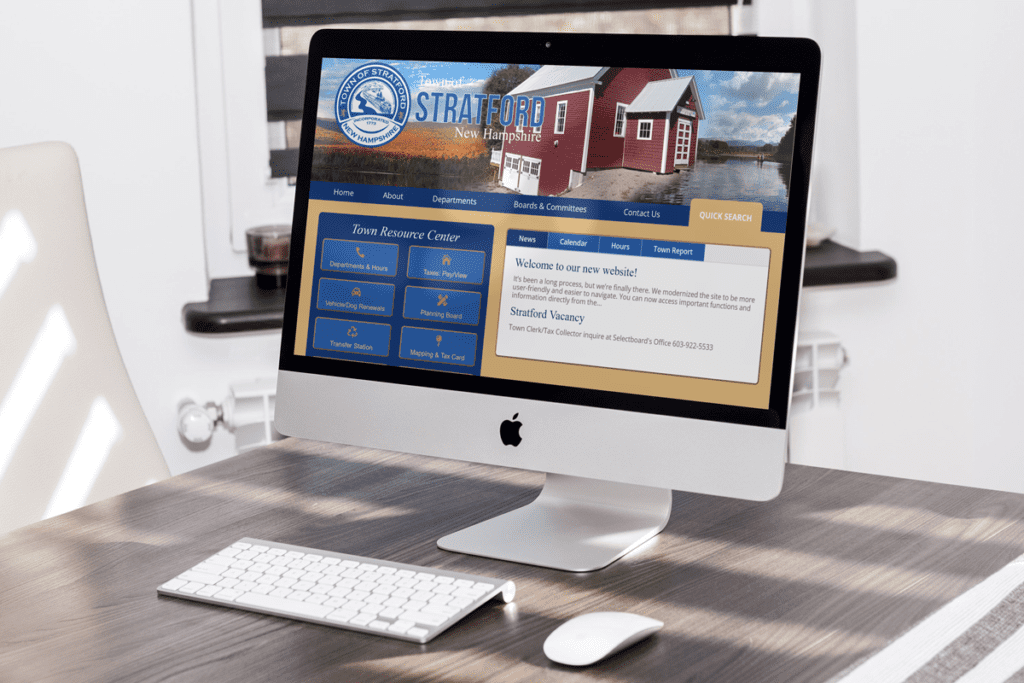
A new year and website redesign can give your business a fresh slate. It’s not just about resolutions or goals—it’s about taking stock of where you’ve been and where you’re going. For businesses, that often means taking a moment to rethink your website, and let’s face it, your website is a big part of that. Marketing a new website in 2025 will give your business a boost and your clients and website visitors updated content and confidence that you are planning on working hard and growing in 2025. See our 2024 website redesign for Precpo.
✨ New Year, New Website ✨ Is your website ready to meet 2025 goals? Let us help you stand out online. For January only, get 10% off new website builds. Don’t miss out! 🚀 📆 Book now: https://sunnvalley.com/contact/
Your website isn’t just a virtual storefront; it’s the first impression you make on potential customers. If it feels a little outdated or doesn’t quite match the direction your business is heading, now is the time for a website redesign. January is when people are actively searching for services, products, and solutions to meet their own goals for the year. A clean, modern, and user-friendly website ensures you’re positioned to capture that attention.
Refreshing your website also sets the tone for your business in the year ahead. Whether you want to attract more leads, convert more sales, or simply grow your presence, your site should be working as hard as you do.
User Experience Is Everything
Your website isn’t just about looking good—it’s about how well it works for the people who visit it. If your site is slow, confusing, or not mobile-friendly, it’s likely doing more harm than good. Working with SunnValley can help you address design and branding issues with professional web design, ensuring your site performs as it should. Think about the last time you left a frustrating website. That’s exactly what your audience will do if your site doesn’t meet their needs quickly and efficiently.
This time of year is a great opportunity to step into your customer’s shoes. What’s the experience like when they land on your homepage? Is it clear what you offer? Can they find what they’re looking for without digging through multiple pages? If the experience isn’t seamless, it’s time to make some updates.
It’s also about staying competitive. The expectations for websites are higher than ever. People want fast-loading pages, mobile-friendly designs, and easy navigation. Those aren’t optional anymore—they’re expected. If your site isn’t hitting the mark, your audience will look elsewhere, and a website redesign might be just the solution.
The good news is, a great user experience doesn’t just make visitors happy—it can help your business thrive. When your website makes it easy for people to find information or take action, you’ll see more engagement, more trust, and ultimately, better results. A website redesign can make a significant difference.
Staying Ahead of the Curve
One thing I know as a web designer is that trends and technology move fast. What felt cutting-edge a few years ago might now feel dated. Meanwhile, your competitors are constantly investing in their online presence, making updates, and optimizing for search engines. If you’re not doing the same, you risk falling behind. A website redesign is key to staying ahead.
A fresh website shows that you’re serious about your business. It sends the message that you care about staying relevant and delivering a professional experience to your audience. That trust starts with the look and feel of your site but goes deeper into functionality and usability.
Search engines love fresh content and modern designs too. An updated site with better optimization means more visibility when people are searching for the services or products you provide. This is especially important in January when customers are starting the year looking for new solutions to meet their goals. A website redesign improves visibility.
A website refresh also gives you the chance to integrate features that your business might have outgrown or overlooked. Maybe it’s a live chat feature, better search functionality, or simply an updated layout that highlights your offerings more effectively. Small changes can make a big difference in how your site performs.
Setting the Tone for the Year
When you prioritize your website in January, you’re setting yourself up for success for the entire year. Your site becomes more than just a piece of your marketing—it’s a foundation for your business goals. Whether you’re looking to expand, launch something new, or connect with your audience in a stronger way, a website redesign can support all of that.
This is also a chance to reintroduce your business to your customers. A fresh design or an updated feature is an opportunity to reconnect, share news, and remind people why they should choose you. It’s like giving your brand a little spotlight, and January is the perfect time to do it while everyone else is making their own plans for the year.
And let’s be real—tackling a website redesign project now, while things are quieter after the holidays, makes life easier. It’s a time when you’re more focused and ready to plan strategically instead of scrambling to make updates when you’re in the thick of things later.
How I Can Help
This January, I’m offering a special promotion to help businesses like yours refresh their websites. Whether it’s a complete overhaul or just a few key updates, I’ll work with you to create something that truly represents your business and sets you apart.
I’m all about creating websites that don’t just look good but work hard for your business. From mobile-friendly layouts to SEO-ready content, I build with the end user—and your goals—in mind.
If your website hasn’t been updated in a while or you’ve been meaning to make changes but haven’t had the time, now’s the perfect moment to start. Let’s make 2025 the year your website becomes the tool it was always meant to be: something that attracts, engages, and converts your audience.
Ready to Start?
Your website is one of the most important investments you’ll make for your business. Don’t let an outdated or underperforming site hold you back from what’s possible this year. A website redesign can be the key to unlocking new potential.
Reach out today to learn more about my January promotion and how I can help refresh your website. Let’s create something that not only meets your goals but exceeds your expectations. This is your year—let’s kick it off with a website that works as hard as you do.
Here is a comprehensive guide to using testimonials to enhance your marketing strategy. From how to request them to the best places to feature them, testimonials provide social proof, build trust, and influence buying decisions. A glowing review from a satisfied customer can be a game-changer for your business. This article will walk you through the process of collecting and showcasing testimonials, their importance, and how to make them a compelling part of your strategy.
Deeda’s Baskets, Bloomfield Vermont Web Design
Why Testimonials Are Important
In this guide to using testimonials, we discuss why customers often trust their peers’ opinions more than any polished marketing message. Testimonials act as endorsements, providing evidence of your brand’s credibility. They assure potential customers that you deliver results, solve problems, and provide excellent service.
The impact of testimonials goes beyond trust-building. They significantly boost conversion rates by encouraging hesitant buyers to take action. Testimonials also contribute to search engine optimization (SEO) as user-generated content, such as reviews and testimonials, is highly valued by search engines. Moreover, showcasing positive customer experiences enhances your reputation and demonstrates your ability to consistently deliver satisfaction.
The Best Ways to Ask for Testimonials
Timing matters. The best time to request a testimonial is shortly after a customer has expressed satisfaction with your work. Whether through a casual conversation or a quick follow-up email, you can turn positive feedback into a powerful testimonial.
Following up after a project or sale is another excellent opportunity. A friendly email asking for feedback not only shows you value their opinion but also paves the way for a testimonial. To make it easy, include a direct link to a review platform or a brief form where they can share their thoughts.
Feedback forms can be designed to double as testimonial collection tools. Include a checkbox or question asking if their comments can be shared as a testimonial.
Social media platforms are excellent for gathering testimonials. A post inviting followers to share their experiences can result in authentic responses. Adding visuals like photos or videos can make the testimonials even more engaging and credible.
While testimonials should ideally be voluntary, a small incentive can encourage participation. Offering discounts, free resources, or entries into a giveaway is a great way to thank customers for their time while collecting valuable feedback for your business.
Where to Use Testimonials
Your website is the most impactful place to feature testimonials. Highlight them on your homepage to establish trust immediately. Add testimonials to product or service pages to show potential customers the tangible benefits of working with you. A dedicated “Testimonials” page can serve as a comprehensive showcase of your customer success stories.
Sharing testimonials on social media platforms is another effective strategy. Posts that feature customer quotes, paired with images or videos, engage audiences and enhance your brand’s credibility.
Testimonials work well in email marketing. Including a satisfied customer’s words in newsletters or promotional emails provides social proof that reinforces your messaging.
Testimonials can add authenticity to paid ads. Incorporate customer experiences into ad copy or creative content to make your advertisements relatable and trustworthy.
Long-form content, such as blogs and case studies, offers an opportunity to explore a customer’s journey in detail. Use testimonials to illustrate how your products or services resolved a specific challenge or delivered measurable results.
Examples of Impactful Testimonials
A concise statement like, “Amazing service! Quick, professional, and exceeded my expectations,” can pack a punch and leave a strong impression.
Testimonials that include specific results or benefits are particularly effective. For instance, a client might say, “After working with [Your Business], our website traffic doubled in just three months. The team was knowledgeable and supportive throughout the process.”
Nothing builds authenticity like a video testimonial. A customer sharing their experience in their own words can create a personal connection and build trust more effectively than text alone.
How to Make Testimonials More Effective
Genuine testimonials resonate more than overly polished ones. Let your customers’ words speak for themselves without heavy edits, as authenticity builds trust.
Vague praise doesn’t carry the same weight as testimonials that outline exactly how your business made a difference. Encourage customers to share specific results, challenges solved, or unique aspects of their experience.
Keep your testimonials section dynamic by regularly updating it with new customer stories. This shows potential customers that your business continues to deliver excellent results.
Always get explicit permission before using someone’s testimonial, especially if it includes personal details or images. This ensures transparency and fosters goodwill.
Why Testimonials Should Be a Priority
This guide to using testimonials emphasizes how they can transform your marketing efforts. Testimonials are more than just endorsements; they’re an opportunity to let satisfied customers share your story. They validate your expertise, build credibility, and provide the reassurance potential clients need to take the next step.
By understanding the best ways to request testimonials, knowing where to place them for maximum impact, and focusing on authenticity, you can create a marketing strategy that stands out. With consistent effort, testimonials can become one of your most powerful tools for building trust and growing your business.
Start using this guide to using testimonials today. Collect feedback, highlight your successes, and let your happy customers do the talking. Watch how this simple yet effective strategy elevates your brand and helps you achieve your goals.
Creating a cohesive brand experience for your audience may include integrating both offline and online marketing strategies. By blending the two with the vast potential of digital platforms, you can elevate your brand, making a powerful impression and forging deeper connections with your customers. Here, we explore practical strategies for merging these two worlds in a way that resonates with your target audience.
offline and online tactics in your marketing strategy
Hosting Events That Resonate
Offline events remain incredibly effective in fostering real connections. From hosting workshops and conferences to organizing product launches, in-person interactions can make a lasting impact. To maximize the reach and impact of these events, combine them with online promotional efforts. Use digital platforms to generate excitement before the event, live stream sessions for those who can’t attend, and create follow-up content afterward to keep the momentum going.
Encourage attendees to share their experiences on social media, helping to amplify the event’s message. By motivating participants to post using a branded hashtag, you can create an online community that continues to engage long after the event wraps up. This dual approach extends the reach of the event, tapping into both the physical and virtual realms of your audience.
Social Media Amplification
Social media has reshaped how businesses connect with customers. To fully leverage its potential, use social platforms to amplify your offline events and brand initiatives. Create event-specific hashtags and encourage attendees to share photos, videos, and personal experiences online. This not only prolongs the impact of your event but also helps to establish an authentic community around your brand.
Incorporate user-generated content into your overall strategy by resharing posts from your audience, which builds authenticity and trust. This approach allows customers to feel like they’re a part of the brand, enhancing loyalty and engagement. By embracing a blend of user-generated content with your marketing, you offer a transparent and relatable brand experience.
Search Engine Optimization (SEO) for Seamless Discovery
The cornerstone of your online presence is a well-optimized website. When a potential customer first discovers your brand through offline channels, such as an event or printed material, they should be able to easily find you online. Achieve this by ensuring your website is search engine-friendly. Use relevant keywords, create valuable content, and provide an intuitive user experience. A smooth transition from offline discovery to online engagement can help retain interest and foster a positive impression.
Investing in SEO also boosts your visibility, increasing the likelihood that users will encounter your brand through a simple search. Effective SEO reinforces brand awareness and provides a seamless pathway for customers to follow from initial interest to conversion.
Crafting a Unified Brand Experience
Consistent Messaging Across Channels
Your brand’s voice is essential to building trust. Whether through a print ad, a social media post, or a billboard, consistent messaging reinforces brand identity and builds credibility. Aligning your offline and online narratives creates a cohesive brand experience that resonates more powerfully with customers. This uniformity enables customers to easily recognize and connect with your brand across different touch points, enhancing recall and affinity.
Consistency is more than just using the same logo or tagline—it’s about conveying the same message, tone, and values at every opportunity. By establishing a unified brand voice, you not only reinforce your brand but also ensure that customers receive the same experience, whether they’re interacting with you in person or online.
Interactive and Immersive Content
Today’s audience expects more than static content; they seek experiences that are engaging and memorable. Make your online presence stand out by incorporating interactive elements, such as virtual tours, 360-degree videos, or immersive social media campaigns. By placing QR codes on physical materials, you can direct offline audiences to these interactive experiences, seamlessly bridging the physical and digital worlds.
Interactive content not only holds attention but also fosters a deeper level of engagement. It creates a multi-dimensional experience for your audience, allowing them to interact with your brand on their own terms. This immersive approach solidifies customer relationships, driving stronger brand loyalty.
OTC Rentals Colebrook, NH Vacation Stay website with reservations feature
Measuring Success: Analytics and Insights
Track and Analyze Cross-Channel Performance
An integrated marketing strategy requires data-driven insights to gauge effectiveness. Implement analytics tools to track the performance of both online and offline efforts. By examining how these initiatives work together, you can refine your approach, allocating resources to where they yield the most impact. This informed perspective lets you optimize your marketing efforts, ensuring they align with your overarching goals.
Cross-channel analysis provides a fuller picture of customer behavior and preferences, enabling you to deliver more relevant and impactful experiences. This strategic approach transforms marketing from a guessing game to a well-informed process, where each decision is backed by data.
Customer Feedback and Engagement
Customer feedback is invaluable to improving both online and offline strategies. Encourage feedback through surveys, social media polls, and face-to-face conversations. By engaging with customers directly, you gain insights into their preferences, allowing you to make adjustments that resonate. Gathering feedback at every touchpoint helps create a more personalized and responsive brand experience.
Actively listening to your audience and acting on their input demonstrates that you value their opinion, which in turn builds loyalty. Moreover, this feedback loop enables you to continuously improve your marketing strategy, adapting to changes in customer needs and preferences.
Embrace the Future: Adapt and Innovate
As consumer behavior evolves, so should your marketing approach. Integrating offline and online tactics is not a static process—it’s an ongoing journey of adaptation and innovation. The brands that succeed are those that embrace this synergy, continually refining their strategies to keep pace with changes in customer expectations and technological advancements.
Successful integration of these realms requires creativity, agility, and a commitment to providing a cohesive brand experience. By blending the strengths of offline and online tactics, you can create a marketing strategy that resonates, captivates, and retains a loyal audience. Embrace the future by continually seeking new ways to connect with customers, merging the best of both worlds to unlock the full potential of your brand.
Combining offline and online tactics isn’t just about expanding your reach—it’s about creating a comprehensive and engaging experience that resonates on multiple levels. By balancing traditional and digital methods, your brand can connect with audiences in deeper, more meaningful ways, fostering loyalty and driving growth. A seamless blend of these approaches not only enhances customer engagement but also lays the foundation for long-term success in an ever-evolving marketplace.
On top of managing your marketing efforts, maintaining your website content, hosting, security, and updates can feel overwhelming. However, with the right plan for maintaining a website, you can stay on top of both while driving your business toward success. Whether you manage everything yourself or work with a web design team, the key to thriving online is consistency, optimization, and continuous improvement.
Website Hosting & Maintenance by Sunnvalley LLC
Regularly Update Your Website Content
Keeping your website content fresh is essential for engaging visitors and encouraging them to return. You don’t need to overhaul your site every week—small updates can make a big difference. Posting new content on your blog regularly shows both your audience and search engines that your site is active and relevant. This helps with search engine optimization (SEO), improving your visibility online. It’s also important to update your product and service descriptions as your offerings change. If you’ve introduced a new service or made updates to an existing one, your website should reflect that. Finally, refreshing visuals like images or banners can keep your site looking fresh, helping to enhance the user experience.
Optimize Your Website for SEO
SEO is crucial for making sure people find your site. Start by researching keywords that your audience is searching for. Once you know the most relevant terms, you can integrate them naturally into your website’s content. This includes titles, headers, and the body of your text, but avoid overloading your content with keywords. It’s also essential to optimize your meta tags and descriptions. These elements show up in search engine results, so a well-crafted meta description can make a big difference in maintaining a website that attracts visitors. Beyond keywords, focus on creating high-quality content that answers your audience’s questions or solves their problems. Search engines favor content that provides real value to readers.
Use Social Media to Promote Your Website
Your social media presence should work in tandem with your website. Each platform offers a unique opportunity to share your content and drive traffic to your site. When you post a new blog or launch a promotion, make sure to share it on your social channels. Engage with your audience by responding to comments and starting conversations. This helps build a community around your brand. Consistency is key—regularly sharing posts helps keep you visible in your audience’s feeds. If possible, use social media scheduling tools to plan your posts ahead of time, ensuring you maintain a steady presence.
Utilize Email Marketing
Email marketing is one of the most effective ways to stay connected with your audience. Regularly send newsletters to your subscribers to keep them informed about new blog posts, products, services, or special promotions. Segmenting your email lists allows you to send personalized, targeted campaigns based on customer preferences or behaviors. This can significantly boost engagement and drive more traffic to your website. Email campaigns are also a great way to promote upcoming events, sales, or special offers. Keep your messaging clear and direct, and always include a call to action that directs readers back to your website. Email capture can be added to your website, and email tools can improve this workflow, assisting in maintaining a website effectively.
Monitor Your Website Analytics
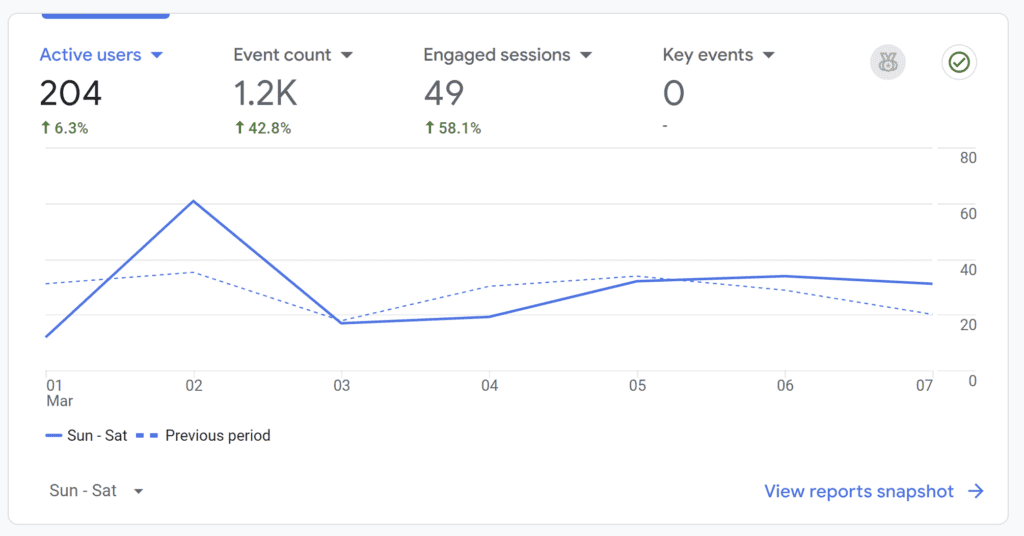
Understanding how visitors interact with your website is crucial for making informed decisions. Tools like Google Analytics provide valuable insights into visitor behavior. You can see which pages are most popular, how long visitors are staying, and where they’re coming from. This data helps you identify what’s working and what needs improvement. You’ll also want to monitor your traffic sources—whether visitors find you through search engines, social media, or direct visits. By understanding these metrics, you can adjust your marketing efforts to focus on what’s driving the most traffic. Conversion rates are another important metric to track. If you notice low conversions on certain pages, it may be time to optimize those areas for better performance, a crucial step in maintaining a website effectively.
Stay Up-to-Date with Trends
Staying informed about the latest trends in website design and marketing is essential. This helps ensure that your site stays relevant and competitive. Modern web design trends like minimalist layouts, fast loading times, and mobile optimization improve the overall user experience, keeping visitors engaged. On the marketing side, staying current with trends in social media, content marketing, and digital tools allows you to stay ahead of the curve. Whether it’s a new social media platform gaining popularity or a shift in how people consume content, being aware of these trends ensures your business stays adaptable and visible.
Continuously Test and Improve
Your website and marketing strategies should always be evolving. Regular testing helps you understand what works and what doesn’t. A/B testing is one of the most effective ways to see what resonates with your audience. Whether you’re testing different versions of a landing page, call-to-action buttons, or headlines, the goal is to identify which version performs better. Don’t forget to invite feedback from your users. Their input can be invaluable in highlighting areas that need improvement or features that are missing. Continuously monitor the performance of your marketing campaigns and be ready to adjust your strategy when needed. Experiment with new approaches, whether it’s testing different content formats, platforms, or messaging styles. Maintaining a website requires constant evaluation to ensure it meets user needs.
Regularly Update Your Hosting and CMS Software
Behind the scenes, your website relies on hosting and content management system (CMS) software to function properly. Regularly updating these systems ensures that your website stays secure and performs at its best. Security is one of the biggest reasons for staying up to date—regular updates patch vulnerabilities that could make your site a target for hackers. These updates also include bug fixes and performance improvements that keep your site loading quickly and functioning smoothly. Additionally, as CMS platforms evolve, they release new features that can enhance your website’s functionality and user experience. Keeping your hosting and CMS up to date ensures that your website remains secure, fast, and reliable. This is essential for maintaining a website efficiently.
Create a Schedule for Website and Marketing Tasks
Managing all of these tasks can seem overwhelming, but creating a consistent schedule can help keep everything organized. For example, you could start your week by updating blog content and sharing it on social media. Midweek might be a good time to send out email campaigns and review analytics from the previous week. As the week progresses, focus on website maintenance tasks like checking for broken links, testing forms, and reviewing product descriptions. At the end of the week, review your advertising campaigns and plan for the following week. Tailor your schedule to fit your business needs, but having a structure in place ensures that no important task is overlooked. Creating a schedule is key to maintaining a website effectively.
By following these strategies, you’ll not only keep your website running smoothly but also enhance your marketing efforts to attract and retain customers. Regular updates, optimization, and continuous testing are the keys to long-term success. SunnValley, a professional NH web design company, can help you with each aspect of maintaining your online presence.
A custom website or business management web app can transform your business operations. These tools not only build a strong online presence but also enhance day-to-day processes. At SunnValley, an NH web design company, we help businesses streamline workflows and boost efficiency with custom platforms. Here’s how these tools can impact your business.
A web app, or web application, is a software program that runs on a web server and is accessed through a web browser over the internet or intranet. Unlike desktop applications, web apps do not require installation and can be used from any device with a browser. A website, on the other hand, is a collection of related web pages available online, which can be static or dynamic. Dynamic websites, like web apps, allow for real-time updates to content, design, or functionality, providing an adaptable online presence that can evolve based on user needs and market trends.
Streamlining Workflow with Automation
A business management web app automates repetitive tasks, reducing manual work and errors. Automation saves time and ensures accuracy, whether managing inventory or processing payroll. For example, a retail store can automatically update stock levels when products are sold. A service business can use an app to send automated invoices after completing a job.
Enhancing Customer Experience
A custom website integrated with a management app tracks customer behavior and preferences, allowing for personalized service. This results in higher satisfaction and repeat business. For example, an eCommerce store can suggest products based on past purchases. A local café can offer discounts to repeat customers based on their order history.
Centralizing Business Operations
Many businesses use multiple tools for accounting, project management, and customer service, leading to inefficiency and mistakes. A business management web app centralizes operations, improving team collaboration and reducing errors. For instance, a construction company can manage scheduling, billing, and team communication through one app. A law firm can handle case files, billing, and client communication through a centralized platform.
Improving Decision-Making with Data
Data is crucial for decision-making. A business management app collects real-time data from sales, customer interactions, and employee performance. This allows you to view reports and analyze trends easily. For example, a restaurant can monitor daily sales and adjust the menu based on demand. A marketing agency can track client campaign performance and adjust strategies accordingly.
Enhancing Team Communication
Poor communication slows down projects and causes misunderstandings. A custom business management app integrates all team communication, enabling employees to share files, track progress, and stay updated. For example, a landscaping company can assign tasks, track progress, and share updates through one platform. An IT firm can manage projects, deadlines, and files, ensuring smooth communication and eliminating the need for separate emails or multiple tools.
Increasing Employee Accountability
A business management app includes private portals that help managers assign tasks and monitor progress, increasing accountability and reducing the risk of missed deadlines. For example, a cleaning service can assign jobs, set deadlines, and track task completion. A trucking company can monitor routes and deliveries, ensuring drivers are accountable for timeliness.
Reducing Operational Costs
A custom website and web app reduce costs by automating tasks like payroll, invoicing, and customer service. Centralized operations also eliminate the need for multiple software systems. For example, a dental clinic can automate appointment scheduling and billing, reducing the need for additional administrative staff. A small manufacturer can manage inventory and track orders, cutting down on storage and overstock costs.
Adapting to Growth
As your business grows, your needs change. A custom web app scales with you, adding new features as needed. SunnValley’s solutions are flexible, ensuring your system adapts to your expanding business. For example, a small real estate agency can use the app to manage more listings, clients, and agents. A consulting firm can integrate new tools as they hire more consultants and take on larger projects.
Offering Better Customer Support
A business management web app improves customer support by automating responses and tracking inquiries. This results in quicker service and reduces pressure on your support team. For example, a hotel can use an app to automate room bookings and handle customer inquiries. A repair service can create a ticketing system, allowing customers to track their requests and receive real-time updates.
Strengthening Your Brand
A custom website helps your brand stand out and supports customer engagement and business operations. For example, a fitness studio can showcase services and integrate member management and scheduling. A boutique shop can use its website to promote products and provide a seamless shopping experience.
Summing it up
A custom website and business management web app are a powerful way to enhance workflows, customer experience, and decision-making. SunnValley, an NH web design company, offers solutions that streamline operations and improve efficiency. Ready to enhance your business operations?
Here is the ultimate guide to building a service-based business webiste which is a first point of contact for potential clients. Your website is essential to leave a for building your brand and creating a good first impression. In this post, we’ll provide tips and best practices for building an effective and engaging service-based business website.
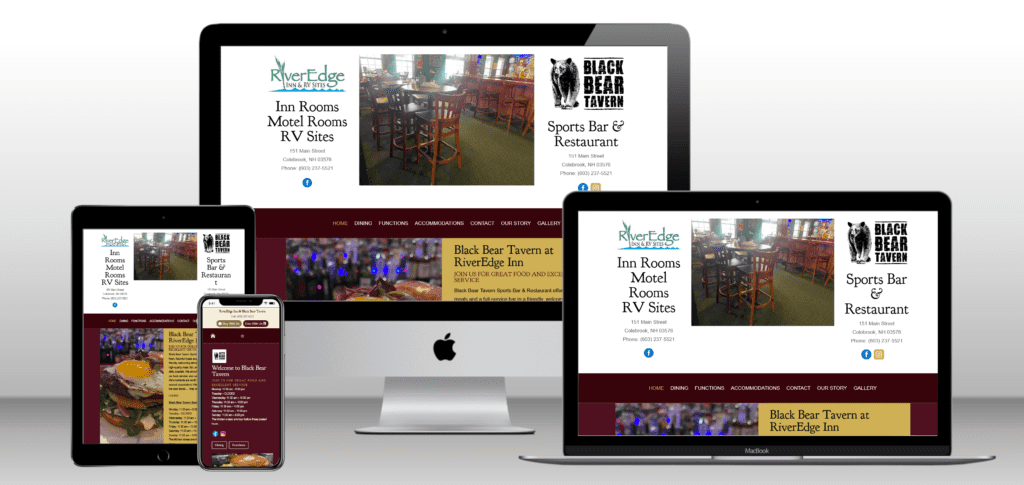
Black Bear Tavern and River Edge Inn
Understanding Your Audience
Knowing your target audience is the beginning of any branding and webdesign efforts. Who are they? What are their needs and preferences? By understanding your audience, you can tailor your website to meet their expectations and provide value. Consider creating detailed buyer personas to gain insights into your audience’s demographics, interests, and pain points. This knowledge will guide your content, design, and overall user experience.
Crafting a Clear and Compelling Message
Your website’s message should be clear and compelling from the moment visitors land on your homepage. Communicate who you are, what services you offer, and how you can solve your clients’ problems. Use concise language and avoid jargon. Your value proposition should be prominently displayed, helping potential clients quickly understand why they should choose your services over competitors.
Designing for User Experience
User experience (UX) plays a vital role in the success of your website. A well-designed web site is easy to navigate, visually appealing, and functional. Start with a clean, organized layout that guides visitors through your content seamlessly. Use a consistent color scheme and typography that reflects your brand identity. Make sure your website is mobile-friendly, as many users will access it from their smartphones and tablets.
Highlighting Your Services
Clearly outline the services you offer on your website. Each service should have its own dedicated page with detailed descriptions, benefits, and relevant information. Use high-quality images and videos to showcase your work. Consider adding case studies or testimonials to demonstrate your expertise and build trust with potential clients. Make it easy for visitors to understand what you do and how it can benefit them.
Implementing Strong Calls to Action
Calls to action (CTAs) are crucial for converting visitors into clients. Use clear and compelling CTAs throughout your website, guiding users toward the next step, whether it’s contacting you, booking a consultation, or signing up for a newsletter. Place CTAs strategically on your homepage, service pages, and blog posts. Use action-oriented language that motivates users to take the desired action.
Optimizing for Search Engines
Search engine optimization (SEO) is essential for driving organic traffic and marketing your website. Conduct keyword research to identify the terms potential clients are searching for. Incorporate these keywords naturally into your content, titles, and meta descriptions. Focus on creating high-quality, informative content that addresses your audience’s questions and needs. Additionally, ensure your website is fast, secure, and easy to navigate, as these factors influence your search engine rankings.
Showcasing Client Testimonials
Client testimonials are powerful tools for building credibility and trust. Include testimonials from satisfied clients on your homepage and service pages. Use real names and photos, if possible, to add authenticity. Video testimonials can be particularly effective, as they allow potential clients to hear directly from those who have benefited from your services. Positive reviews and testimonials can significantly influence a visitor’s decision to choose your business.
Dan Hebert Inc. Web Design Colebrook, NH
Creating Valuable Content
Content marketing is an excellent way to attract and engage potential clients. Start a blog and regularly publish articles that provide valuable information related to your services. Share tips, industry news, and insights that showcase your expertise. Content marketing not only helps with SEO but also positions you as a thought leader in your industry. Encourage visitors to share your content on social media to reach a wider audience.
Ensuring Easy Contact Options
Make it easy for potential clients to contact you. Include a contact form on your website that is simple and straightforward. Provide multiple contact options, such as phone, email, and social media links. Ensure your contact information is easily accessible from every page, ideally in the header or footer. Quick and easy communication options can enhance the user experience and increase conversion rates.
Monitoring and Improving Your Website
Once your website is live, continuous monitoring and improvement are essential. Use tools like Google Analytics to track visitor behavior, page views, and conversion rates. Regularly update your content to keep it fresh and relevant. Pay attention to feedback from clients and visitors, and make necessary adjustments to enhance the user experience. A successful website is an evolving project that adapts to the changing needs of your audience.
Conclusion
Building a service-based business website requires careful planning and execution. By understanding your audience, crafting a clear message, focusing on user experience, and optimizing for search engines, you can create a website that effectively showcases your services and converts visitors into clients. Remember to continuously monitor and improve your site to ensure it remains a valuable asset for your business. Embrace these tips and watch your service-based business thrive in the digital world.